Dubai Travel Tips
Written by a Cura travel advisor · Checked
Short answer
Dubai travel tips for Indian travellers: visa rules, Nol cards, taxis, SIM cards, cash vs card, travel costs and what to know before you go.
Key Takeaways
- Check your visa requirements first. Indian passport holders may qualify for a special short-stay entry visa under specific conditions. Other travellers may need to arrange a tourist visa in advance.
- Get a Silver Nol card if you plan to use public transport. It costs AED 25, including AED 19 in travel credit.
- Carry a card and some cash. Cards are widely accepted, but cash can be useful in traditional markets and for small purchases.
- Compare attraction passes before buying. A bundle only saves money if its included attractions match your plans.
- Arrange mobile data. Compare tourist SIM and eSIM plans from du and e&.
- Check extra hotel charges. Dubai’s Tourism Dirham fee ranges from AED 7 to AED 20 per room per night, depending on the accommodation category.
Dubai is easy to explore when you know a few things before landing. Sort out your visa, understand how public transport works, choose the right payment method and get your mobile data ready. These small preparations can save you time and help you avoid unnecessary expenses.
This guide covers practical Dubai travel tips, including transport fares, tourist SIMs, cash, attraction passes and local rules. Prices and entry requirements can change, so check the linked official sources before travelling.
For the full trip, see the Dubai trip guide.
1. Check Your Dubai Visa Requirements
Indian passport holders may qualify for a 14-day visa on arrival if they meet specific conditions. Eligible travellers generally need a valid Indian ordinary passport, plus a qualifying valid US visa, US Green Card, or UK or EU residence visa. The relevant documents generally need at least six months of validity.
If you do not qualify, you may need to arrange a tourist visa before travelling.
Before you fly:
- Check the latest eligibility rules on the official Dubai visa guidance page.
- Apply through an authorised channel if a visa is required.
- Confirm the total fee for your specific visa type.
Cost note: Dubai’s GDRFA lists a 30-day single-entry tourist visa fee of AED 200, plus 5% VAT, for its specified service. This is not necessarily the total amount charged through every airline or travel agent.
2. Which Nol Card Should You Buy?

Dubai’s Nol card is a rechargeable card for public transport. A Silver Nol card costs AED 25, including AED 19 in credit.
Nol fares at a glance
| Journey or ticket | Cost |
|---|---|
| Silver fare: within one zone | AED 3 |
| Silver fare: two adjacent zones | AED 5 |
| Silver fare: more than two zones | AED 7.50 |
| Gold fare: within one zone | AED 6 |
| Gold fare: two adjacent zones | AED 10 |
| Gold fare: more than two zones | AED 15 |
| Regular 1-day pass | AED 20 |
| Gold 1-day pass | AED 40 |
Standard fares depend on the zones travelled. Gold Class fares are double the equivalent Silver fares.
The 1-day pass is valid for the day of activation until the end of that day, not for a rolling 24 hours. Check the current ticket conditions before buying.
Should you get a Nol card?
- Yes, if: You plan to use the Metro, tram or buses regularly.
- Maybe not, if: You will mainly take taxis or stay around one neighbourhood.
- Compare first, if: You are considering a day pass. Work out how much your planned journeys would cost individually.
Check the latest fares and products on the official RTA Nol fares page.
3. Cash, Card or Forex Card?
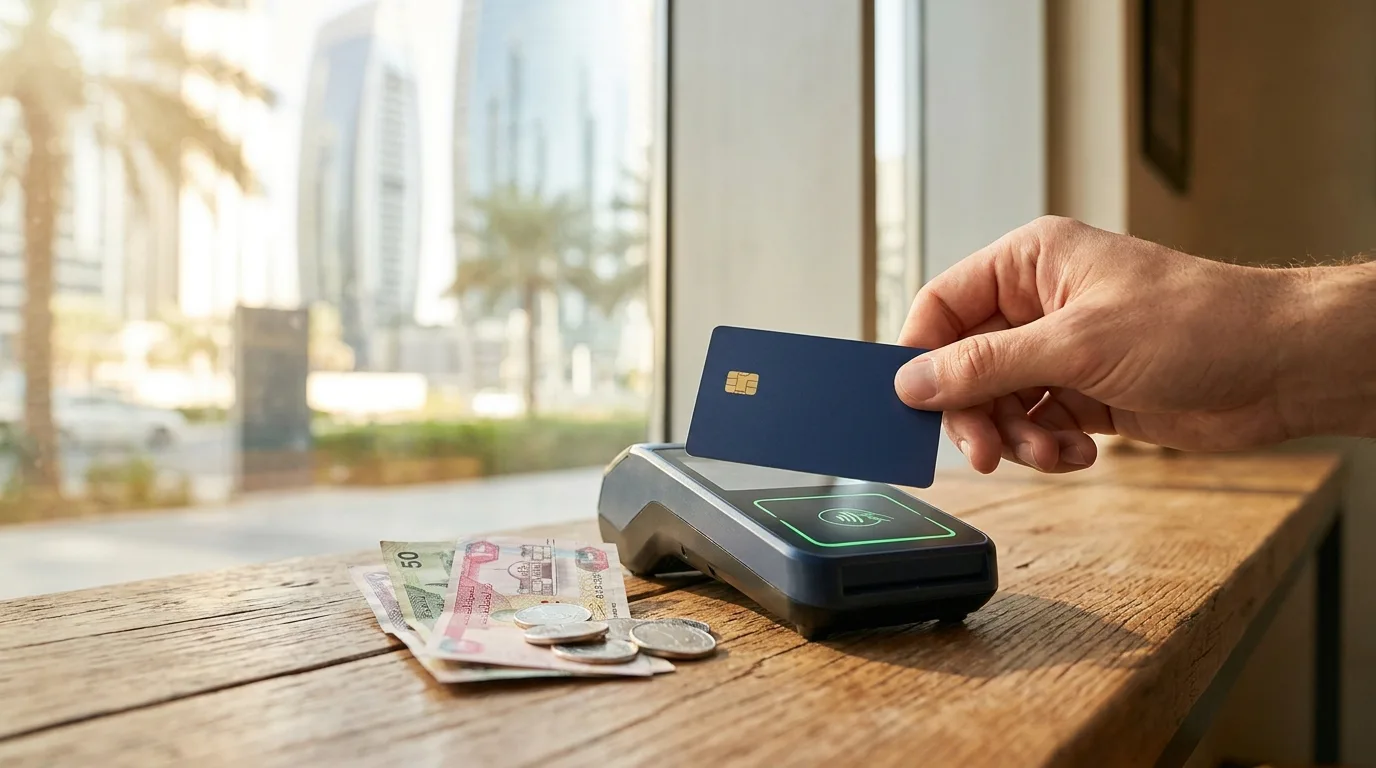
You do not need to carry large amounts of cash in Dubai. Cards and contactless payments are widely accepted in hotels, malls, restaurants and many shops.
A practical payment setup:
- Forex card: Compare exchange rates and loading fees before choosing one.
- Credit or debit card: Check your bank’s foreign-currency markup and international transaction fees.
- Cash: Keep some UAE dirhams for small purchases and places that may not accept cards.
There is no fixed amount of cash every traveller needs. Your budget depends on your itinerary and spending habits.
Money tip: Compare the final exchange rate and service charges before exchanging currency. Do not assume that every airport counter or city exchange house will offer the best rate.
Dubai uses the UAE dirham (AED). Treat any conversion into Indian rupees as an estimate, because rates and bank charges vary.
4. Get a Tourist SIM or eSIM
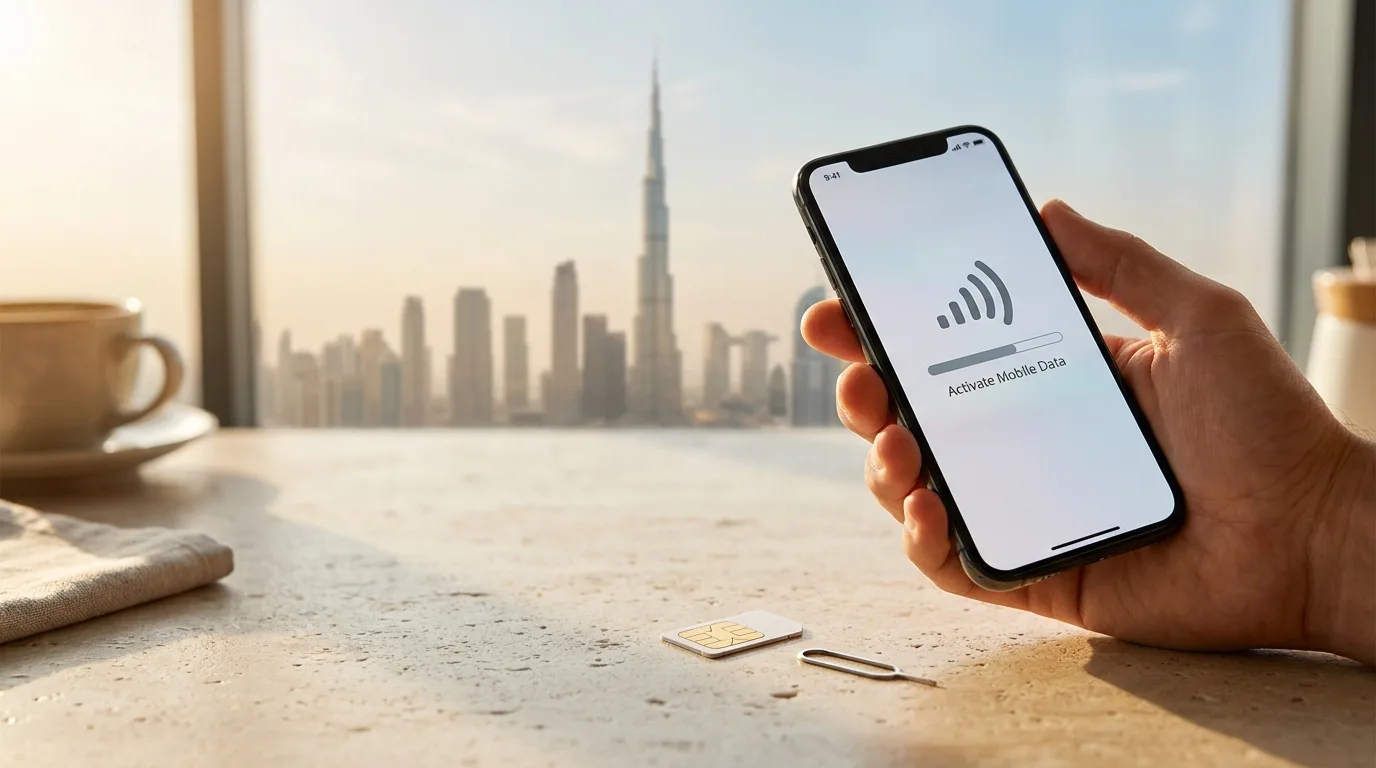
Mobile data makes it easier to use maps, book rides and check attraction tickets.
Two options to compare:
- du: Offers tourist eSIM and visitor packages. Its official website currently advertises a free tourist eSIM option with 10GB valid for 24 hours, subject to its terms.
- e& UAE: Offers Visitor Line SIM and eSIM plans for eligible visitors, with data and calling allowances that vary by package.
Check current availability, validity and data limits before choosing a plan:
Useful apps to install
- Careem or Uber: For checking and booking rides.
- RTA Dubai or S’hail: For public transport information.
- Google Maps: For walking directions and general navigation.
- Your airline and hotel apps: For booking updates and travel details.
5. Should You Buy a Dubai Attraction Pass?
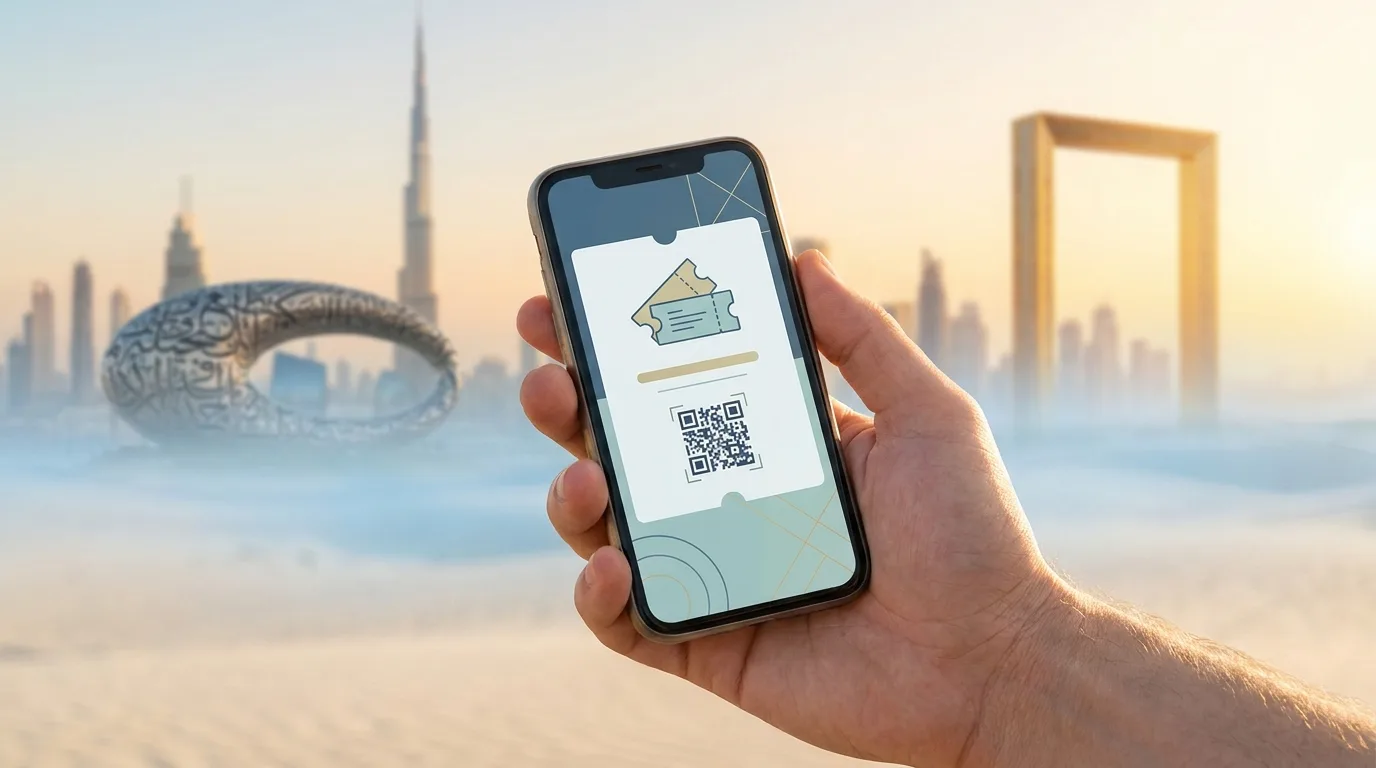
Attraction passes bundle entry to selected sights and experiences. Whether one saves money depends on the attractions you choose and the current pass price.
Before buying:
- List the attractions you want to visit.
- Compare their individual ticket prices for your dates.
- Check which attractions the pass includes.
- Read its validity period, booking rules and exclusions.
- Compare the total with the price of buying individual tickets.
A pass may offer value if several included attractions are already on your itinerary. If you only want to visit a few places, individual tickets may be cheaper.
Check current options through Visit Dubai.
6. Extra Hotel Costs to Remember
Dubai hotels charge a Tourism Dirham fee of AED 7–20 (₹179.99 - ₹514.27) per room per night, depending on the accommodation category. The fee applies for up to 30 consecutive nights.
Your final bill may also include applicable taxes and service charges. Check the booking breakdown before confirming your stay.
For the official details, see the UAE government’s accommodation tax guidance.
7. Local Rules and Etiquette
Keep these simple points in mind:
- Dress appropriately: Swimwear is suitable at beaches and pools, but not generally in malls or business districts. Dress more conservatively at religious sites.
- Respect privacy: Ask before photographing people.
- Follow public transport rules: Eating and drinking are prohibited on Dubai Metro services.
- Drink responsibly: Consume alcohol only in permitted settings and avoid public intoxication.
- Tipping is optional: There is no fixed tipping rule for every situation. Check whether a service charge is included.
For more practical guidance, read Visit Dubai’s official travel.
FAQ
Do I need cash in Dubai?
Very little. Cards work almost everywhere. Carry AED 200 to 300 for abras, souks and small tips.
Is the Dubai Metro easy for tourists?
Yes. Signs are in English, trains are frequent, and the Red Line connects the airport, Downtown and the Marina.
Is an attraction pass worth it in Dubai?
Only if you plan 4 or more of the included paid attractions. Most first trips do 2 or 3, and single tickets are cheaper.
Which SIM is best for tourists in Dubai?
A du or e& tourist SIM from the airport, or an eSIM set up before you fly. Compare data allowances for your trip length.
Want this trip planned and booked for you? Tell Cura where and when, and a person will send you a plan with real prices.
 Next in this guideDubai Trip Cost from IndiaRead →