Kenya safari from India: cost, itinerary, visa and best time
Written by a Cura travel advisor · Checked
Short answer
Plan 7 to 8 nights. A Kenya safari from India costs about ₹3.3 lakh per person mid-range, flights and park fees included. Go July to October for the Great Migration, or January to February for dry, quieter, cheaper big-cat season. Indians need an eTA (USD 30), applied for online. Mumbai has nonstop flights to Nairobi, about 6 hours.
Want this trip planned and booked for you? Tell Cura where and when.
A Kenya safari is the easiest real safari to do from India. Nairobi is a 6-hour nonstop flight from Mumbai, there is no visa queue, and the Masai Mara has big cats every month of the year. The two things that decide your cost are which park fee you pay and which weeks you fly. This guide is the version we would book: Masai Mara plus one more park, with the real fees and the trade-offs laid out.
How much does a Kenya safari from India cost?
Per person, two people sharing, 8 days and 7 nights: 1 night Nairobi, 4 nights Masai Mara, 2 nights Amboseli. Ranges checked Oct 2026 at $1 = ₹88. Camp rates move by season, so treat these as estimates.
| Item | Mid-range |
|---|---|
| Return flight from Mumbai, Bengaluru or Delhi | ₹70,000 |
| eTA, yellow fever shot and travel insurance | ₹6,000 |
| Camps and lodges, 7 nights, full board with game drives | ₹1,95,000 |
| Park fees (reserve USD 200 a day in peak; conservancy fees are usually in the camp rate) | ₹16,000 |
| Transfers: shared road safari vehicle, or bush flights | ₹31,000 |
| Tips for guides and camp staff | ₹6,000 |
| Nairobi extras (elephant orphanage, Giraffe Centre, meals) | ₹6,000 |
| Total, 8 days | ₹3,30,000 |
| Total, 5 days (Mara only, 3 nights) | ₹2,20,000 |
Why the park fee line is small: mid-range camps in the private conservancies charge a conservancy fee, and that is almost always already inside the camp rate. If you stay inside the National Reserve instead, you pay the reserve fee every day. Since 1 July 2026 that is USD 200 per adult per day from July to December and USD 100 from January to June. You do not pay both.
Flights are the second big swing. Fares around Christmas and New Year run ₹25,000 to ₹40,000 higher than the first week of January.
How many days do you need for a Kenya safari?
Seven nights is the sweet spot for a first safari. Fewer than three nights in the Mara is not worth the flight.
- 5 days (3 to 4 nights): Masai Mara only. Fly Nairobi to the Mara and back.
- 8 days (7 nights): Masai Mara 4 nights and Amboseli 2 nights, with one Nairobi night on arrival. This is the one we recommend.
- 10 to 12 days: add Samburu in the north, or finish with 3 nights on the beach at Diani or across the water in Zanzibar.
When is the best time for a Kenya safari?
July to October for the Great Migration and the Mara River crossings. January and February for dry weather, green plains, fewer jeeps and lower prices. Avoid April and May, when the long rains close many camps.
| Months | Verdict | What you get |
|---|---|---|
| Jul to Oct | Best for the migration | Wildebeest herds and river crossings in the Mara. Highest camp prices, USD 200 reserve fee, busy sightings. |
| Jan to Feb | Best for value | Dry and sunny, resident lions, cheetah and leopard, clear Kilimanjaro views in Amboseli, green-season camp rates. |
| Jun, Nov, early Dec | Okay | Shoulder months. Short rains in Nov, still good game viewing. |
| 20 Dec to 2 Jan | Okay, but pricey | Festive surcharges at most camps and the highest airfares, with no wildlife upside. |
| Apr to May | Avoid | Long rains, muddy tracks, many camps closed. |
One thing to know before you book December or January: the migration herds are not in Kenya then. They are hundreds of km south in Tanzania's Serengeti. You still see plenty, because the Mara's lion prides and cats do not migrate.
Do Indians need a visa for Kenya?
No visa, but you need an electronic Travel Authorisation (eTA) before you fly. Kenya replaced visas with the eTA in 2024.
- Fee: USD 30 for standard processing (about ₹2,650), non-refundable
- Time: up to 3 working days (72 hours), sometimes longer. Apply at least a week before you fly. In a hurry? The expedited option costs USD 100 extra and is processed immediately
- Validity: travel within 90 days of approval. The immigration officer on arrival decides how long you can stay
- Where: only on the official site, etakenya.go.ke. Many look-alike sites charge more
- Documents: passport valid 6 months with a blank page, photo, return ticket, hotel or camp bookings
- Yellow fever: you do not need the certificate to enter Kenya from India, but you need it to come back into India. Without it, you can be quarantined on arrival. Get the shot at least 10 days before you fly and carry the yellow card
Where should you stay on a Kenya safari?
Inside a private conservancy if you can afford it, inside the reserve if you can't. Most safari camps are full board with game drives included, so compare the per-person rate, not the room rate.
| Area | Nights | Who it suits | Rough price, per person per night, full board |
|---|---|---|---|
| Masai Mara National Reserve | 3 to 4 | Budget and mid-range trips; closest to the river crossings in Jul to Oct | USD 150 to 400, plus the reserve fee |
| Mara conservancies (Mara North, Naboisho, Olare Motorogi, Ol Kinyei) | 3 to 4 | Couples who want dawn drives, off-road sightings, night drives and fewer vehicles | USD 300 to 450 green season, 450 to 750 in peak |
| Amboseli | 2 | Elephant herds with Kilimanjaro behind them | USD 200 to 350 |
| Nairobi (Karen, near Wilson airport) | 1 | Arrival night before a morning bush flight | ₹8,000 to ₹15,000 per room |
| Diani beach (add-on) | 2 to 3 | Ending the trip with a beach | ₹10,000 to ₹25,000 per room |
Why conservancies: inside the National Reserve you cannot leave before the 6 am gate, cannot drive off-road and cannot do night drives. In the conservancies around it you can do all three, with far fewer jeeps at each sighting.
What are the best things to do in Kenya?
- Game drives in the Masai Mara. Lions, cheetah, leopard, elephant, buffalo, giraffe and hippo, every month of the year. Go out at dawn, when the cats are active.
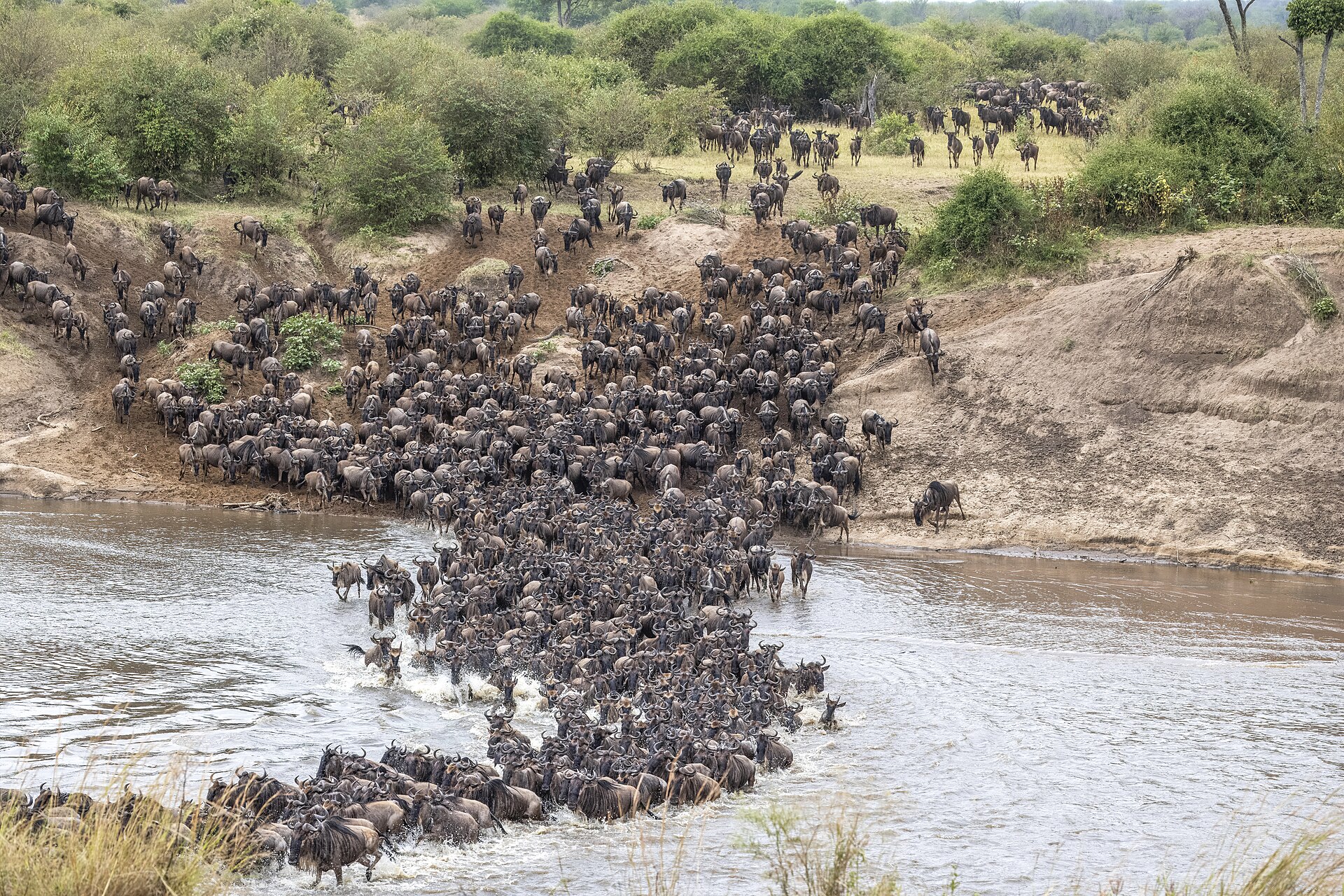
- The Great Migration river crossing (Jul to Oct). Thousands of wildebeest crossing the Mara River. It can take hours of waiting; it is worth it.
- Amboseli at sunrise. Big, relaxed elephant herds walking in front of Kilimanjaro. The mountain shows best at dawn and late afternoon.
- A hot air balloon over the Mara. An early-morning flight with a bush breakfast. Expensive, roughly USD 450 to 550 per person, and the one splurge most couples do not regret.
- Nairobi on your last day. The Sheldrick Wildlife Trust elephant orphanage during its public hour, then the Giraffe Centre in Karen, before an evening flight home.
- A Maasai village visit. Ask before photographing anyone, and check the entrance fee goes to the community.
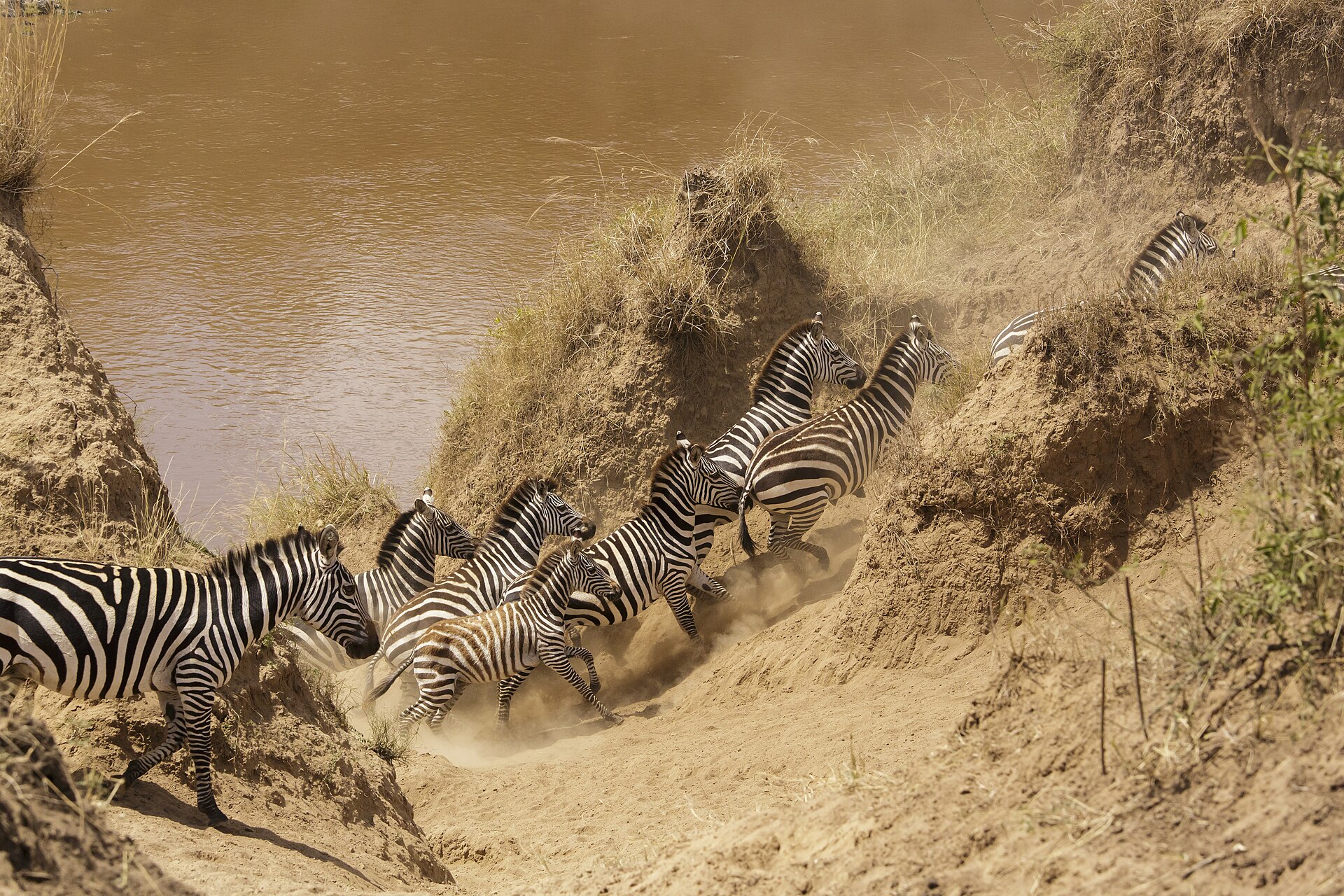
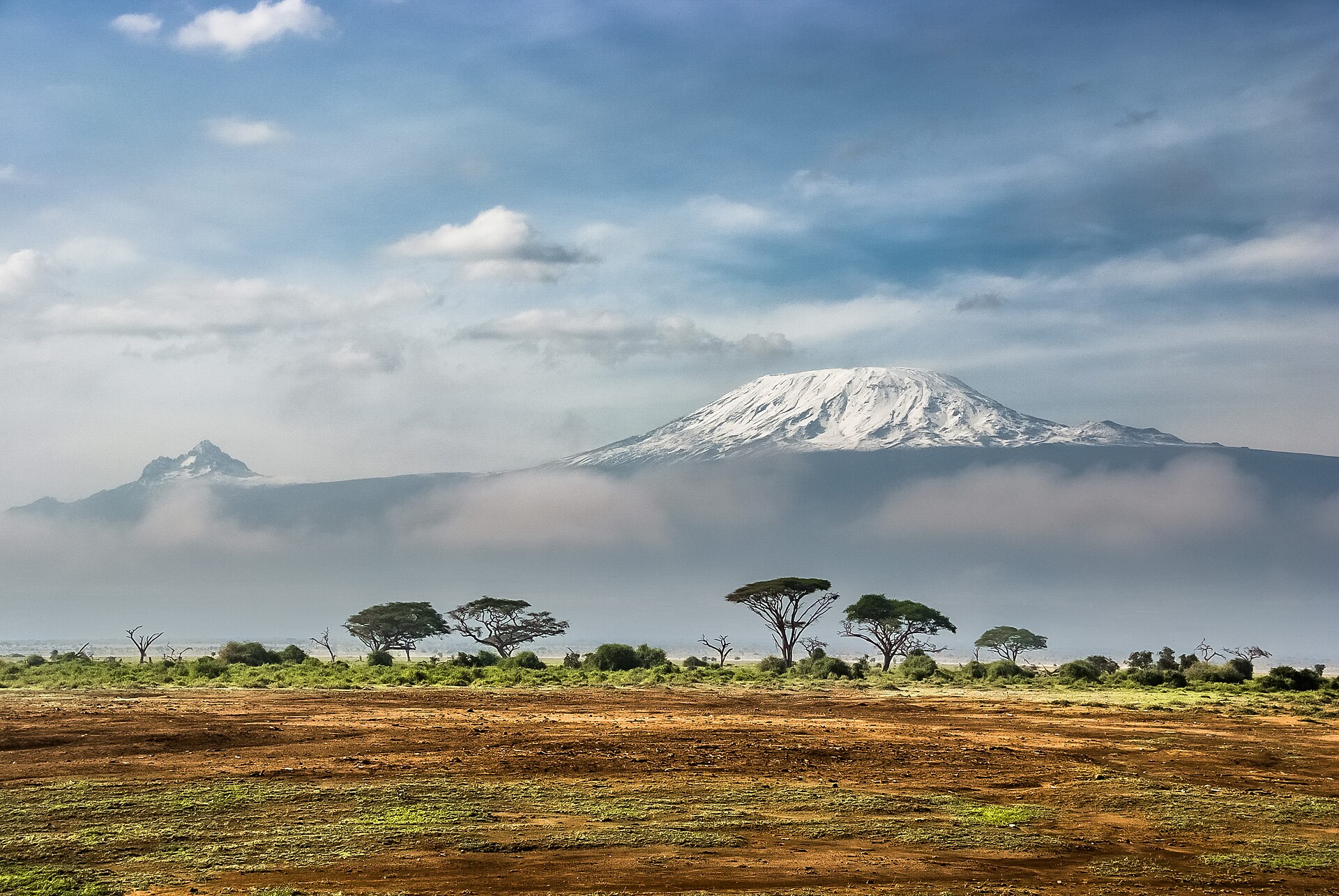
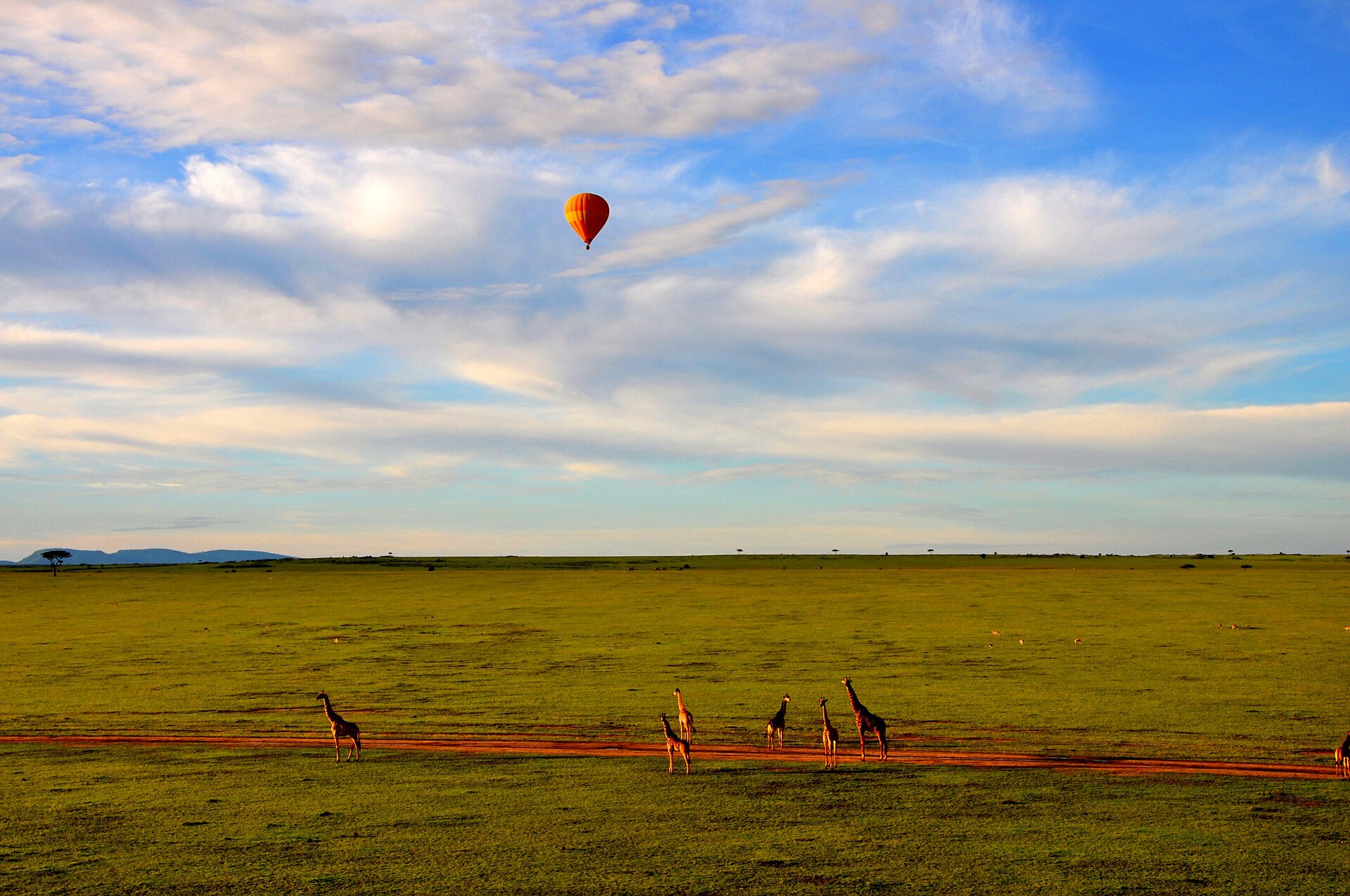
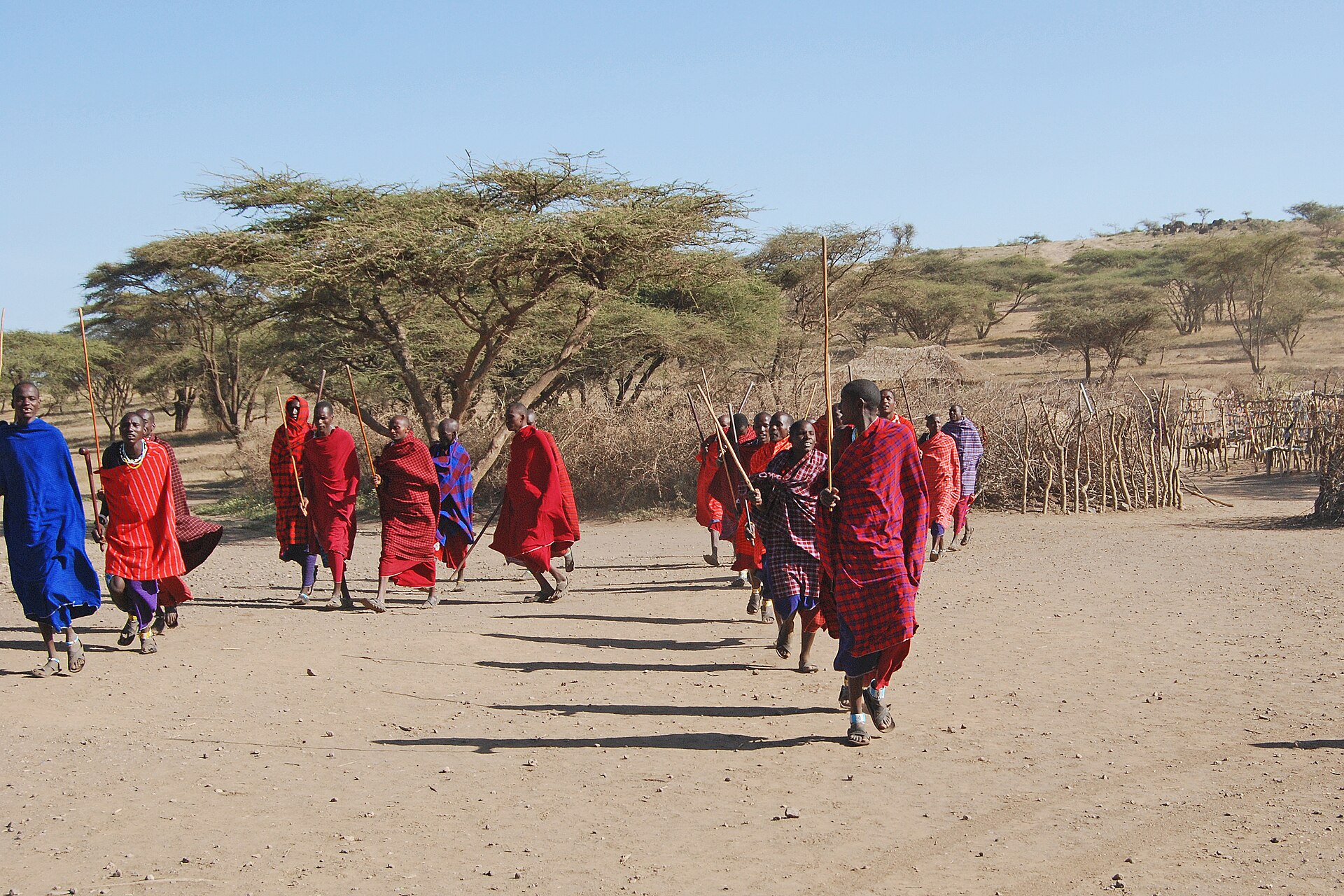
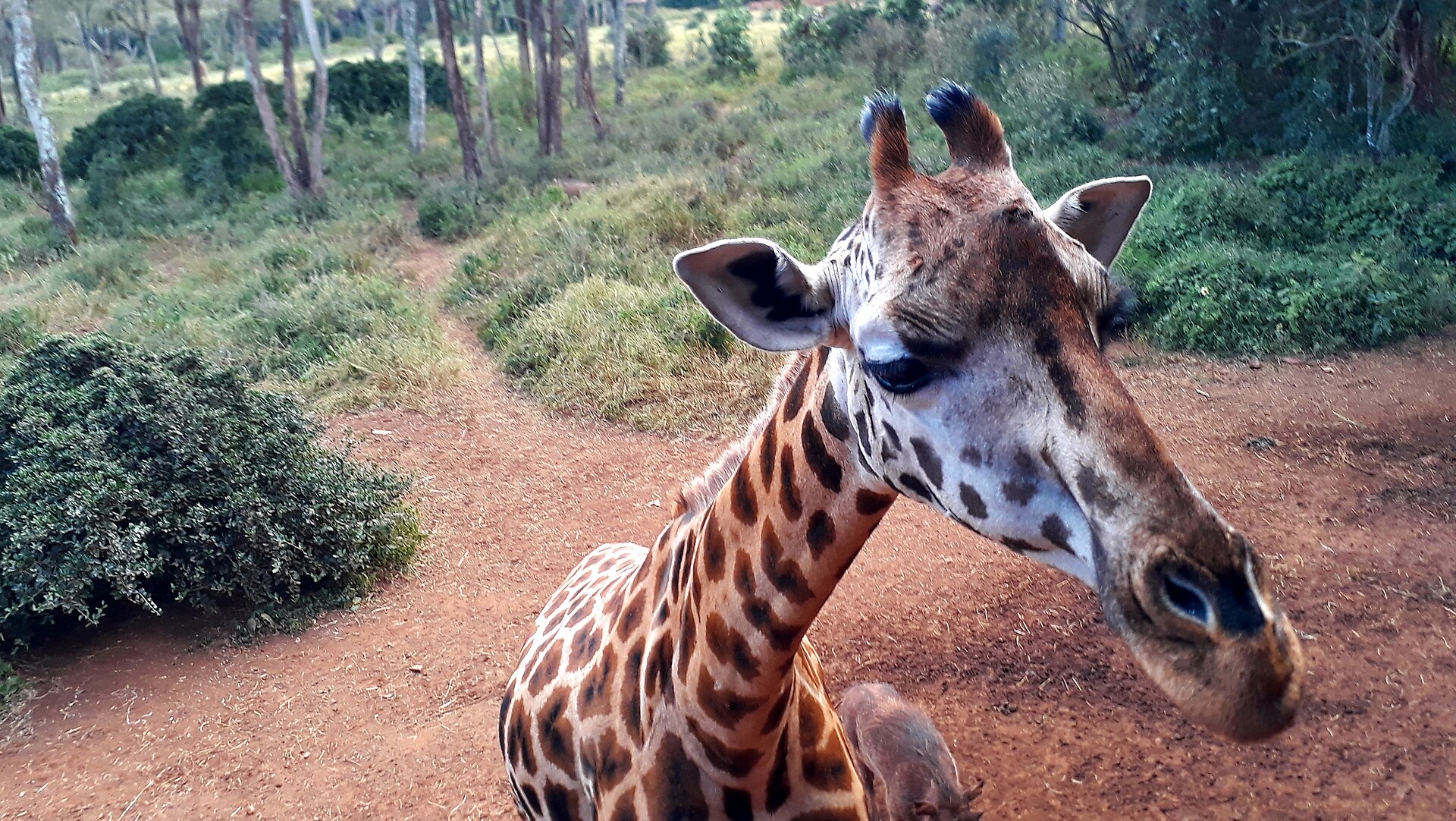
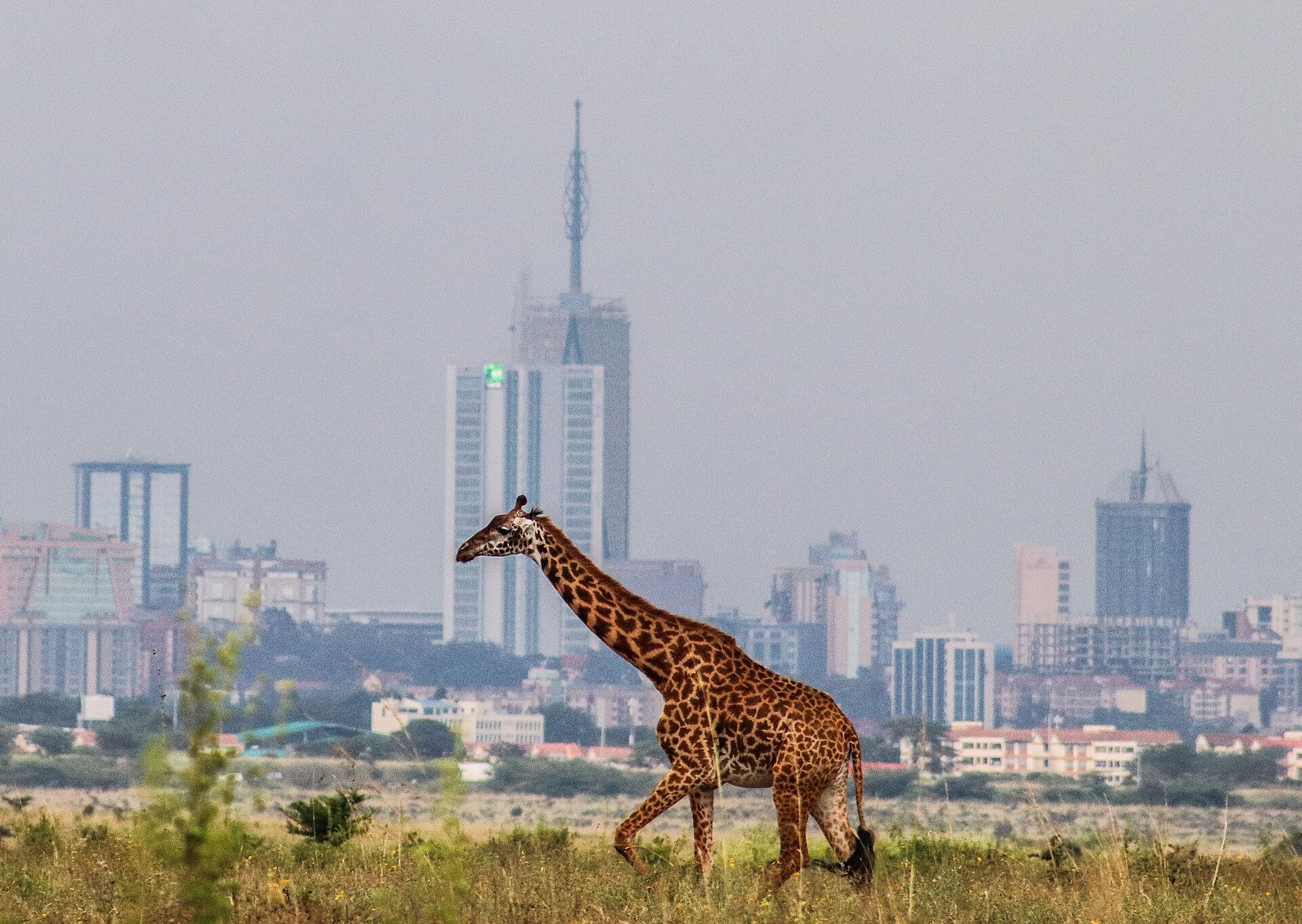
More places to see in Kenya
With more than 8 days, these are the easiest add-ons to the Mara and Amboseli route.
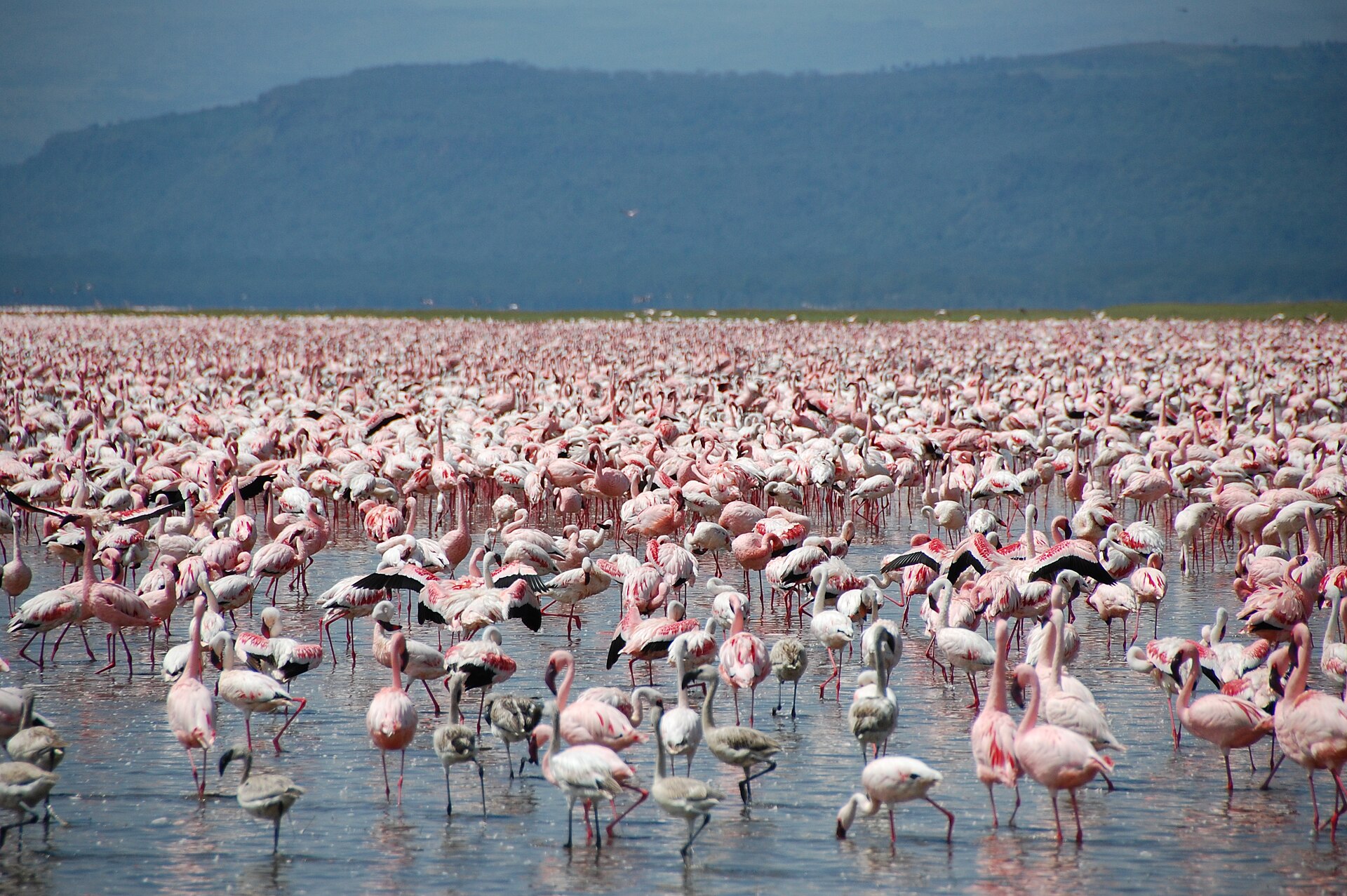
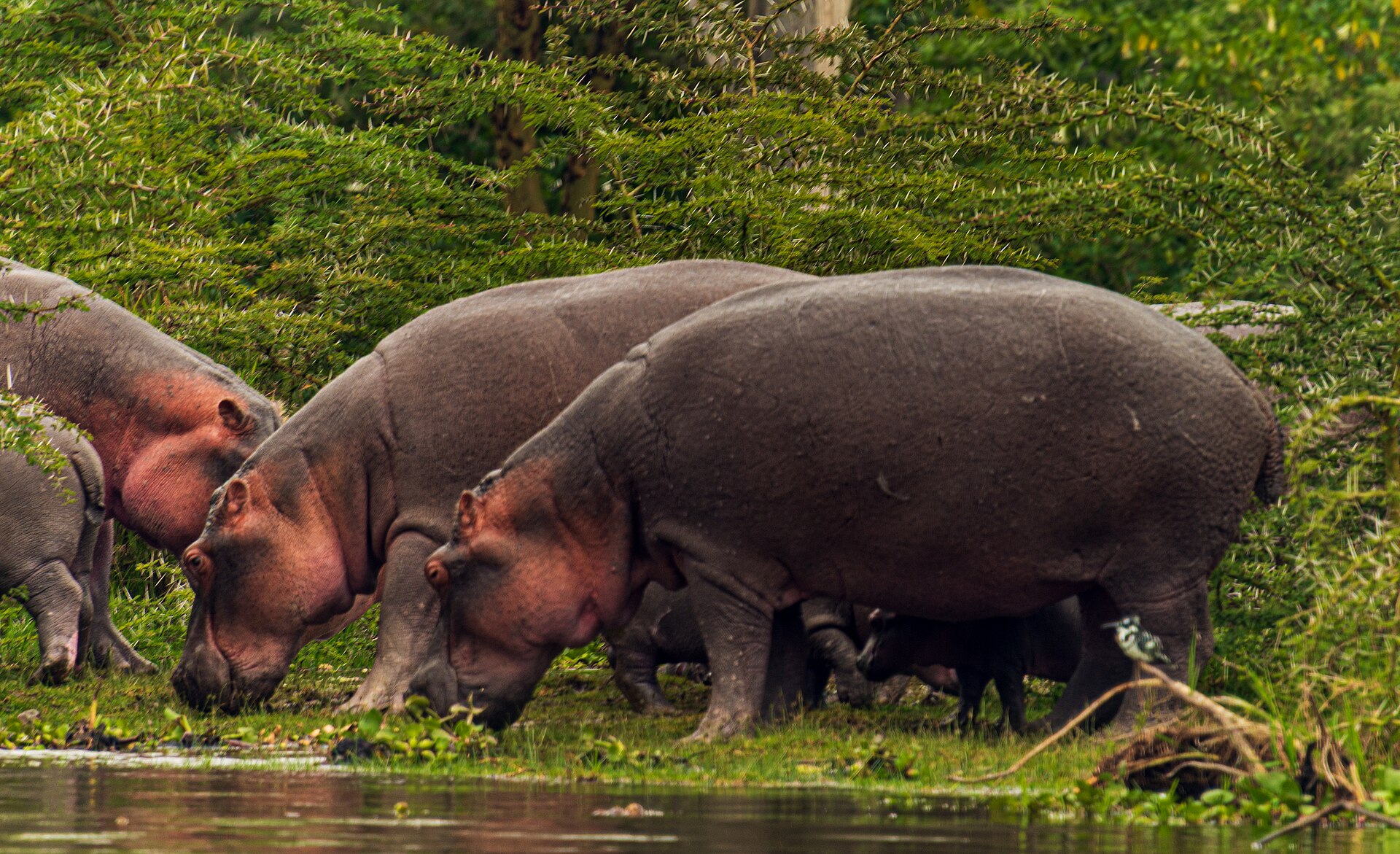
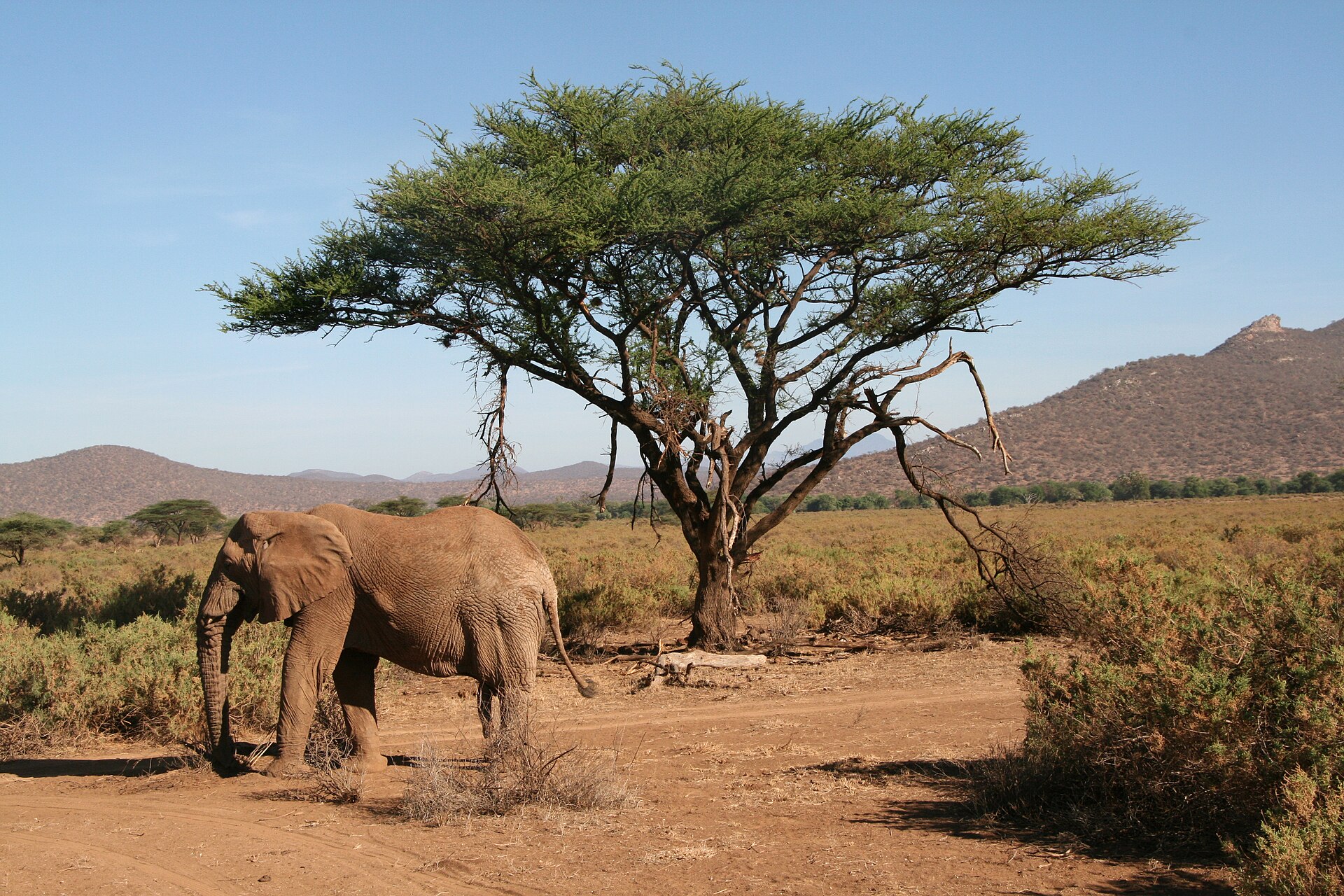
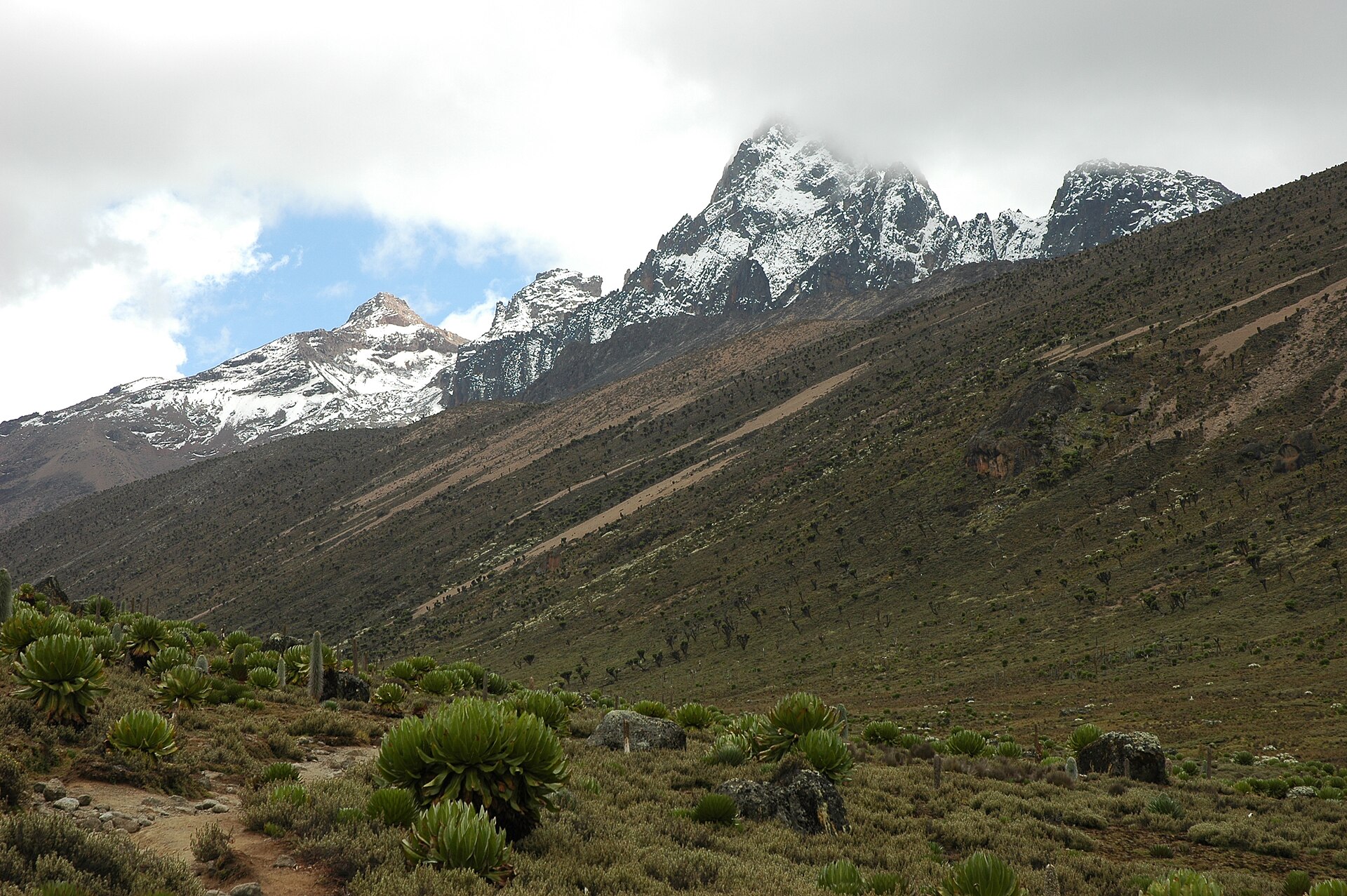
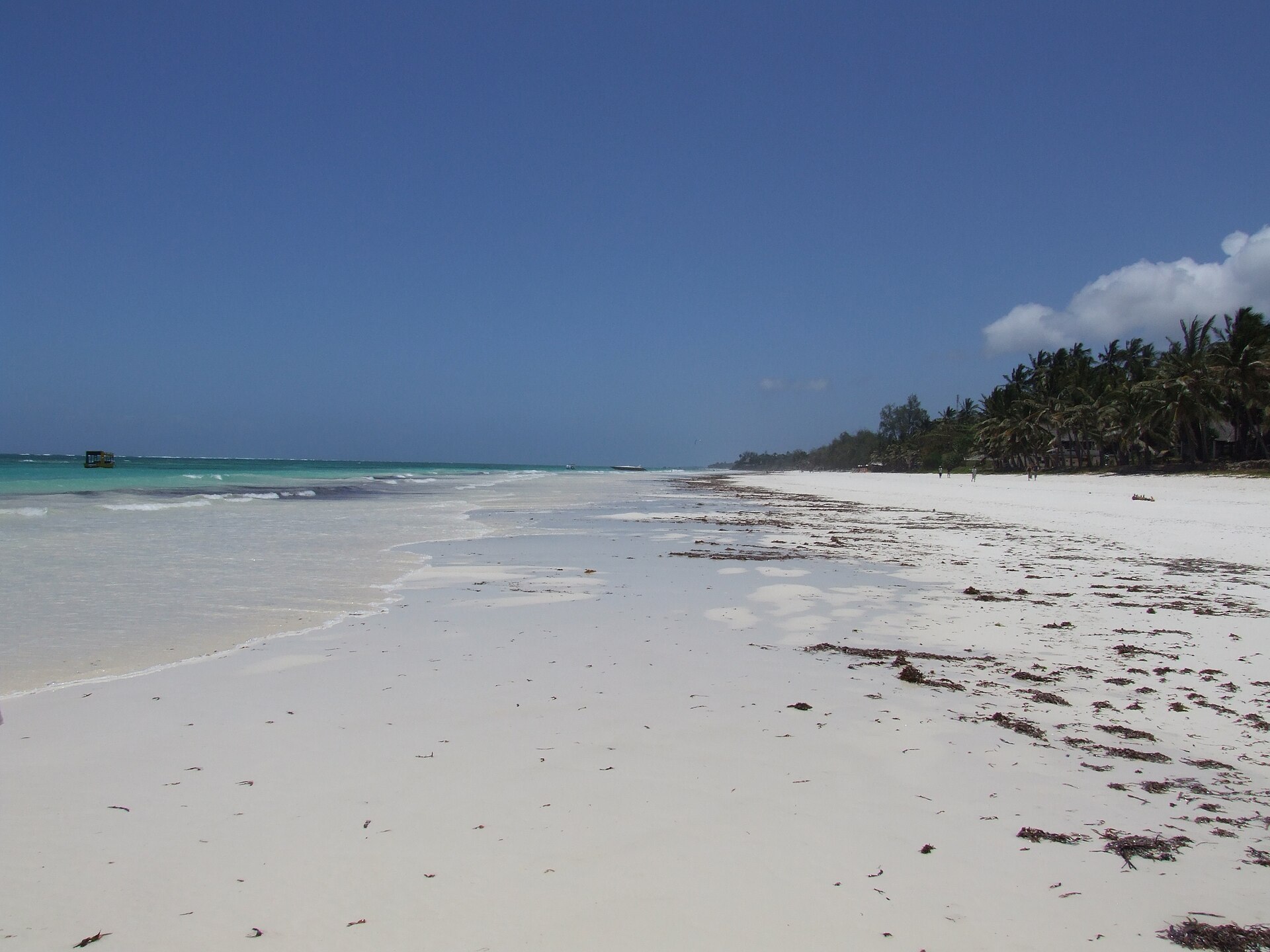
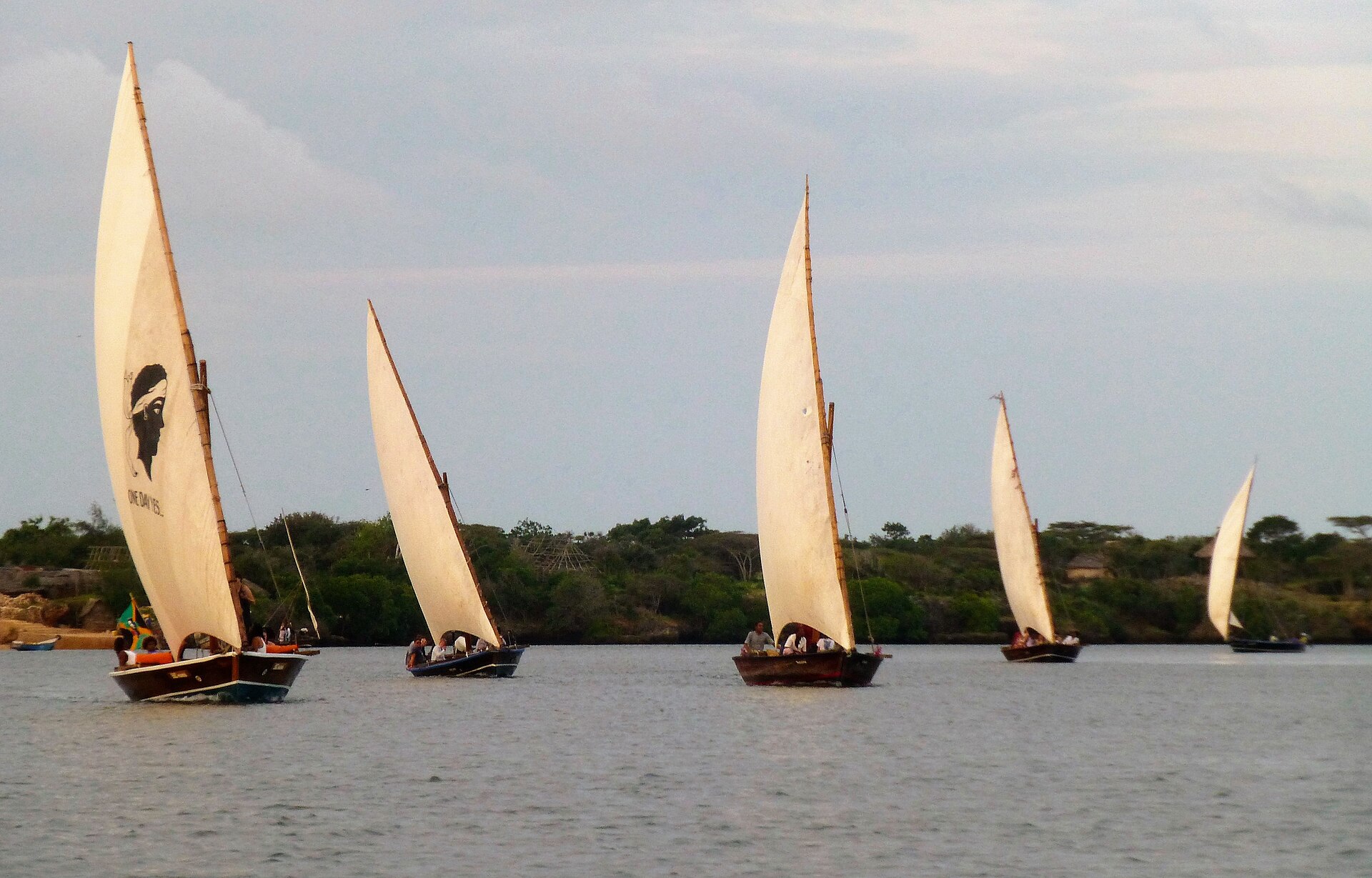
Where can you see the Big Five in Kenya?
The Big Five are the lion, leopard, elephant, buffalo and rhino. You can see all five on the 8-day route below if you add a night at Lake Nakuru or Ol Pejeta for rhino, which is the hardest of the five to find in the Mara.
Lion
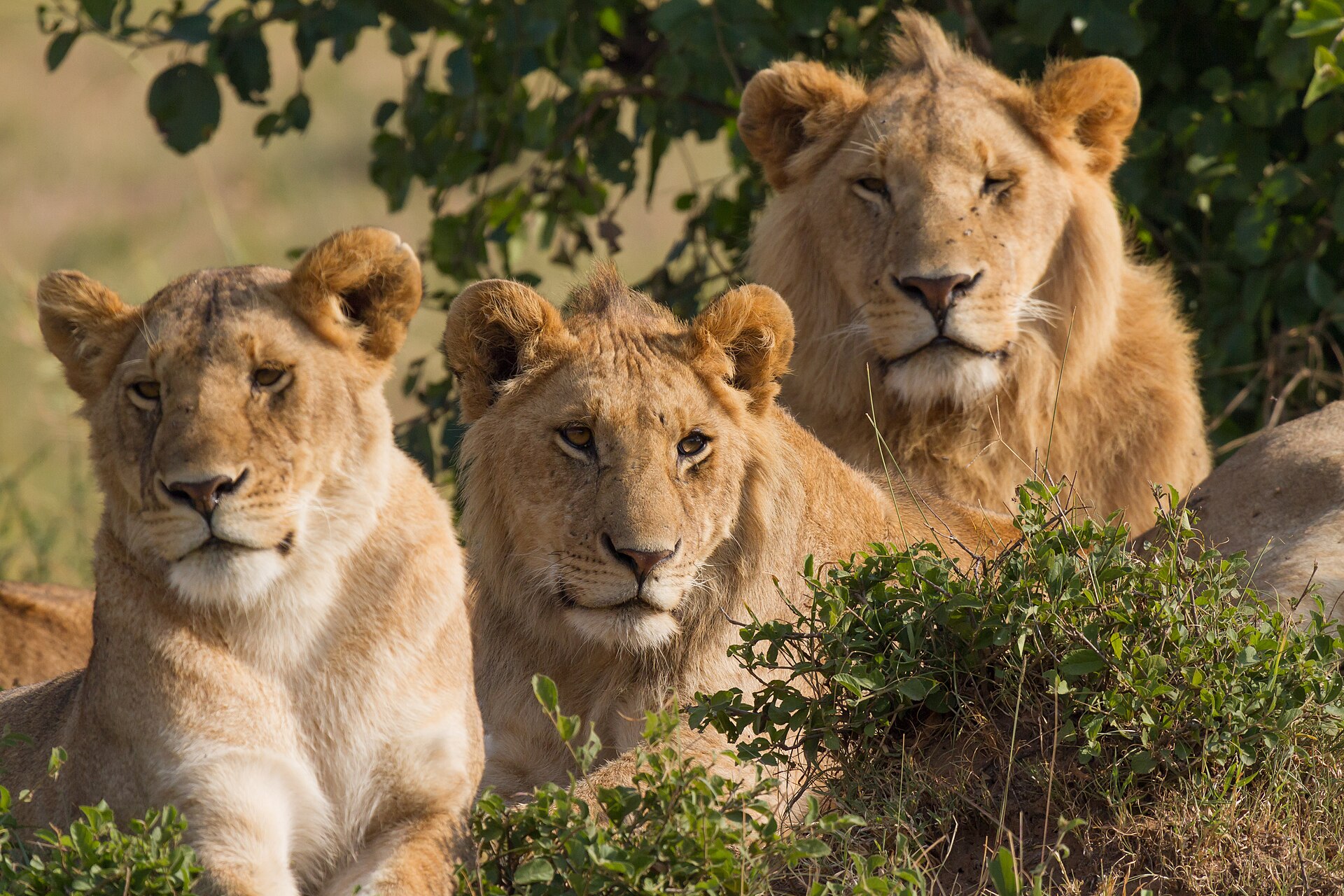
Best place: Masai Mara, which has some of the densest lion prides in Africa. You will usually see lions on your first game drive. Also in Amboseli, Tsavo and Nairobi National Park.
Leopard
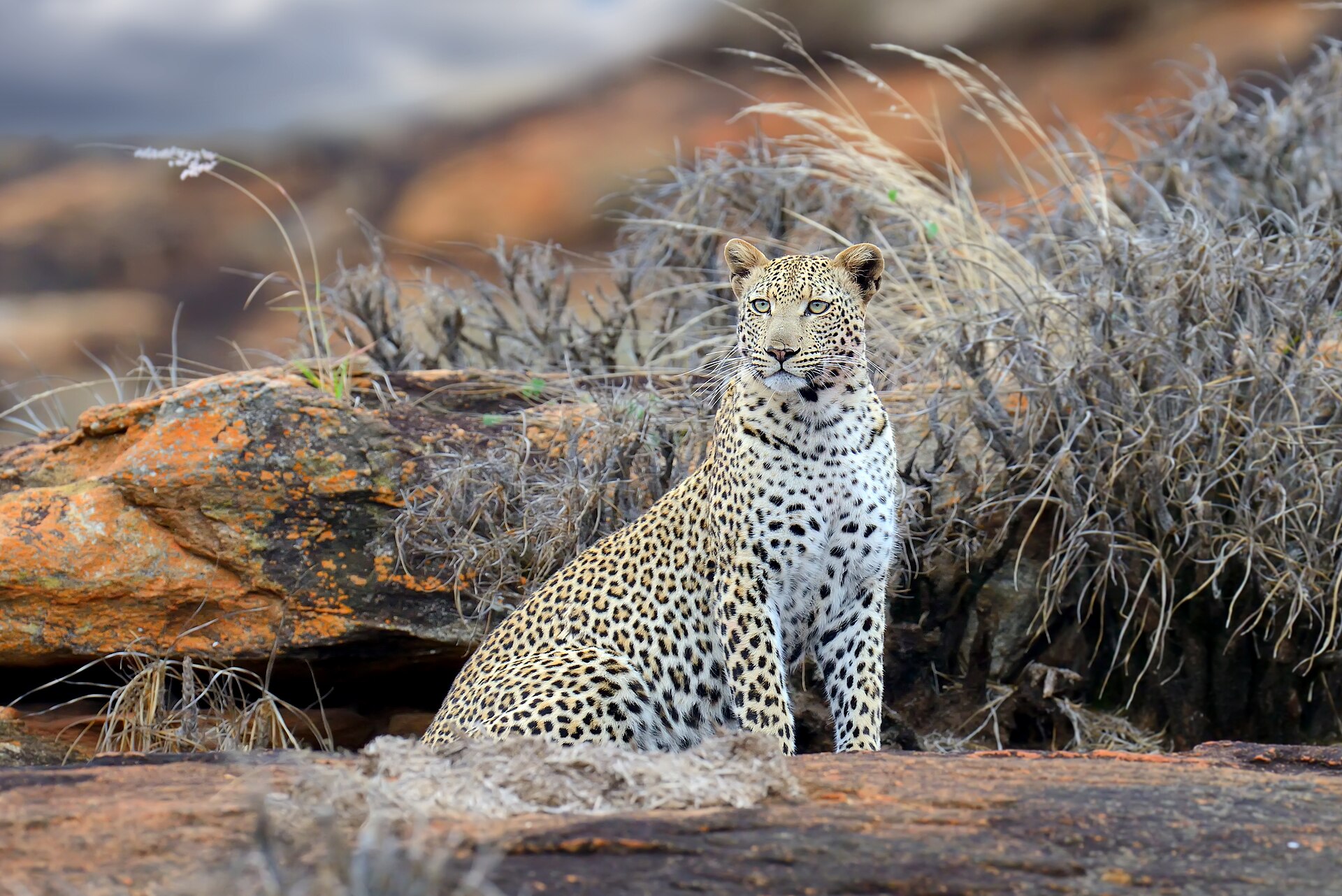
Best place: the riverine forest along the Mara and Talek rivers, and Samburu. The shyest of the five, so give it at least three full days of drives. Conservancy night drives raise your odds.
Elephant
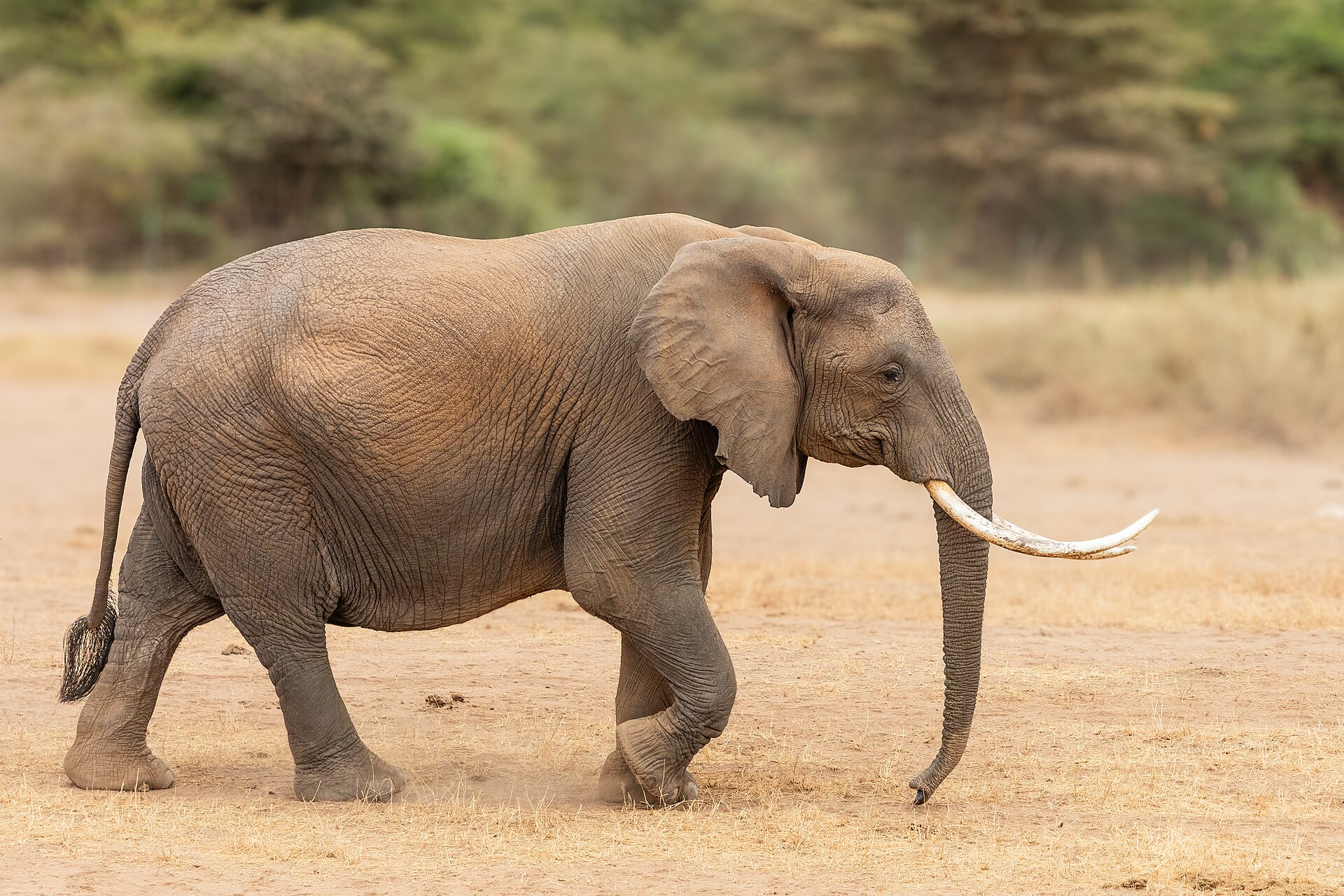
Best place: Amboseli, for big tuskers and large family herds with Kilimanjaro behind them. Tsavo East has the famous red-dust elephants.
Buffalo
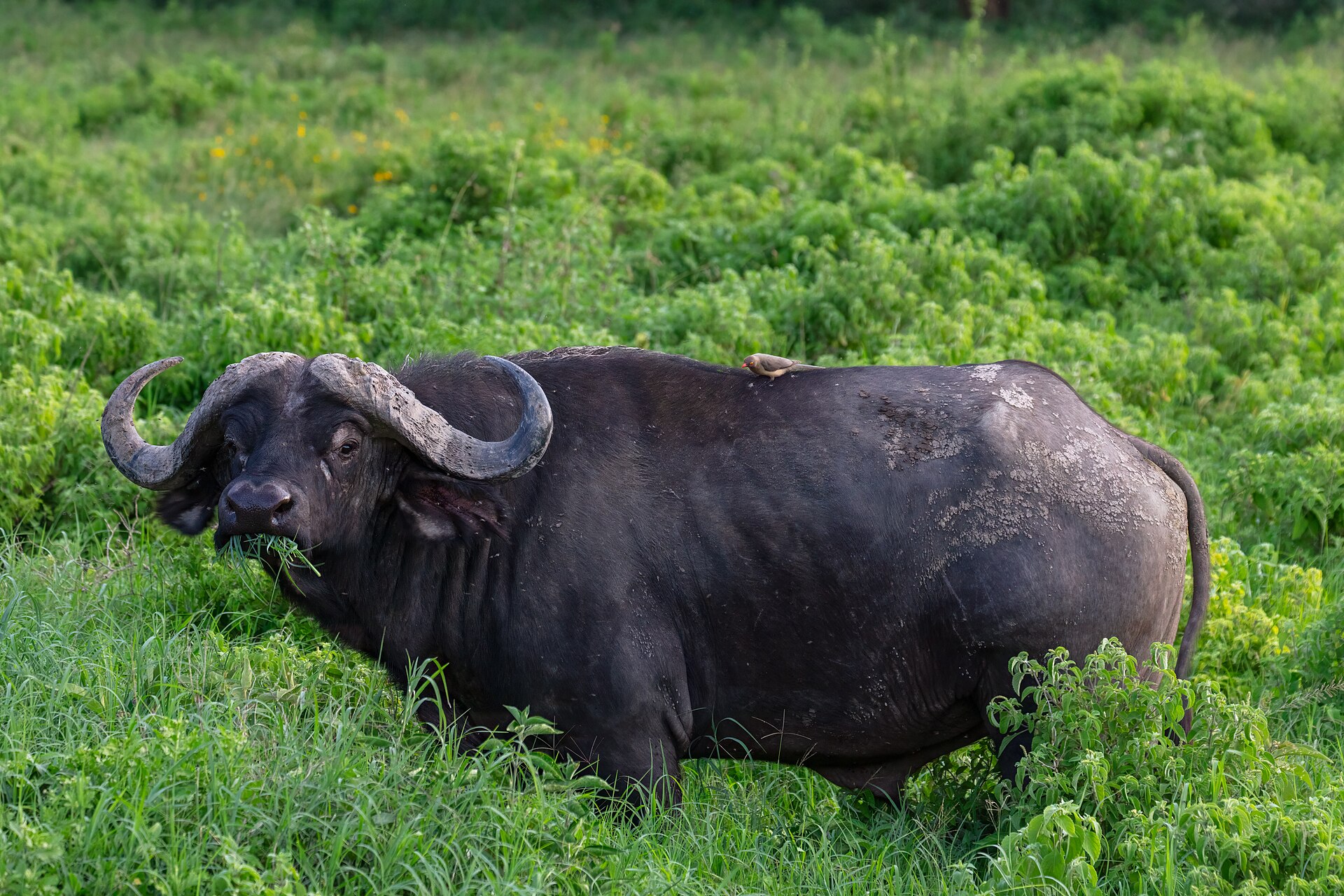
Best place: almost everywhere. Large herds graze the Mara plains and the shores of Lake Nakuru. The easiest of the five to tick off.
Rhino
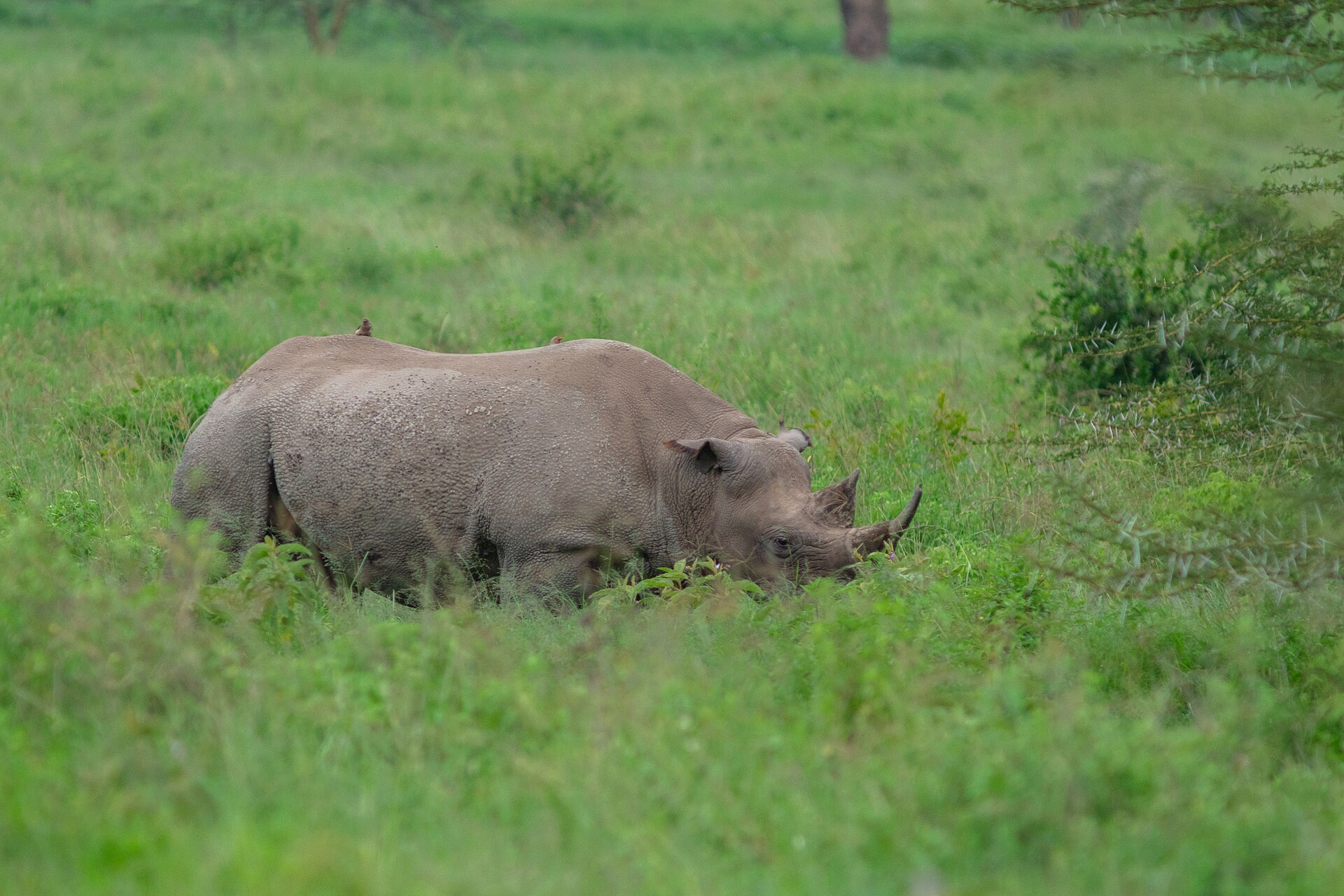
Best place: Lake Nakuru National Park and Ol Pejeta Conservancy, both fenced sanctuaries with black and white rhino. Nairobi National Park is a good last-day option. The Mara has only a small, hard-to-find black rhino population.
How do you get to Kenya from India?
Fly into Nairobi (Jomo Kenyatta International, NBO). Kenya Airways and IndiGo fly nonstop from Mumbai, about 6 hours. From Bengaluru, Delhi, Chennai or Hyderabad you connect, usually via Mumbai, Dubai, Doha, Abu Dhabi or Addis Ababa, for 9 to 14 hours in total.
From Nairobi you have two ways into the parks:
| Leg | By bush flight | By road |
|---|---|---|
| Nairobi (Wilson) to Masai Mara | About 45 to 60 minutes, roughly USD 90 to 140 per leg | 5 to 6 hours, last part on rough roads |
| Masai Mara to Amboseli | About 1 hour on the direct flight | 8 to 9 hours via Nairobi |
| Amboseli to Nairobi | About 45 minutes | 4 to 5 hours |
Bush flights cost more but give you back a full day. Light aircraft have soft-bag limits of about 15 kg per person, so pack in a duffel, not a hard suitcase.
Is Kenya good for vegetarians?
Yes, easier than you might expect. Nairobi has a large Indian community and plenty of Indian vegetarian restaurants. Safari camps cook every meal for you, so tell them in advance and they will plan vegetarian, Jain or egg-free food for the whole stay. Local staples that work for vegetarians: ugali (maize), sukuma wiki (greens), githeri (beans and maize) and chapati, which came to Kenya with Indian traders.
Safari packages vs a custom Kenya trip
Package tours from India usually mean a shared minivan, a reserve lodge and fixed dates. They are cheaper, but you share the vehicle with strangers, pay the reserve fee every day and leave at the gate's opening time. A custom trip lets you pick the conservancy, the second park and the exact week, which in Kenya changes both the price and what you see. If budget is tight, a good package beats a bad custom trip; just check how many people share each vehicle.
Money, health and packing tips
- Cash: carry clean US dollars printed 2013 or later, unfolded. Older or marked notes are often refused. Use them for tips, park fees and curios
- Tips: about USD 20 per room per day in total, split between your guide and the camp staff box
- Malaria: the Mara is a malaria area. See a travel clinic 3 to 4 weeks before you fly
- Plugs: Kenya uses UK-style three-pin plugs at 240V. Bring an adapter and a power bank; many camps run power only at set hours
- Clothes: khaki, green and beige. Avoid dark blue and black, which attract tsetse flies. Layers for cold dawn drives
- Plastic bags are banned in Kenya. Do not pack them
Kenya tourist map
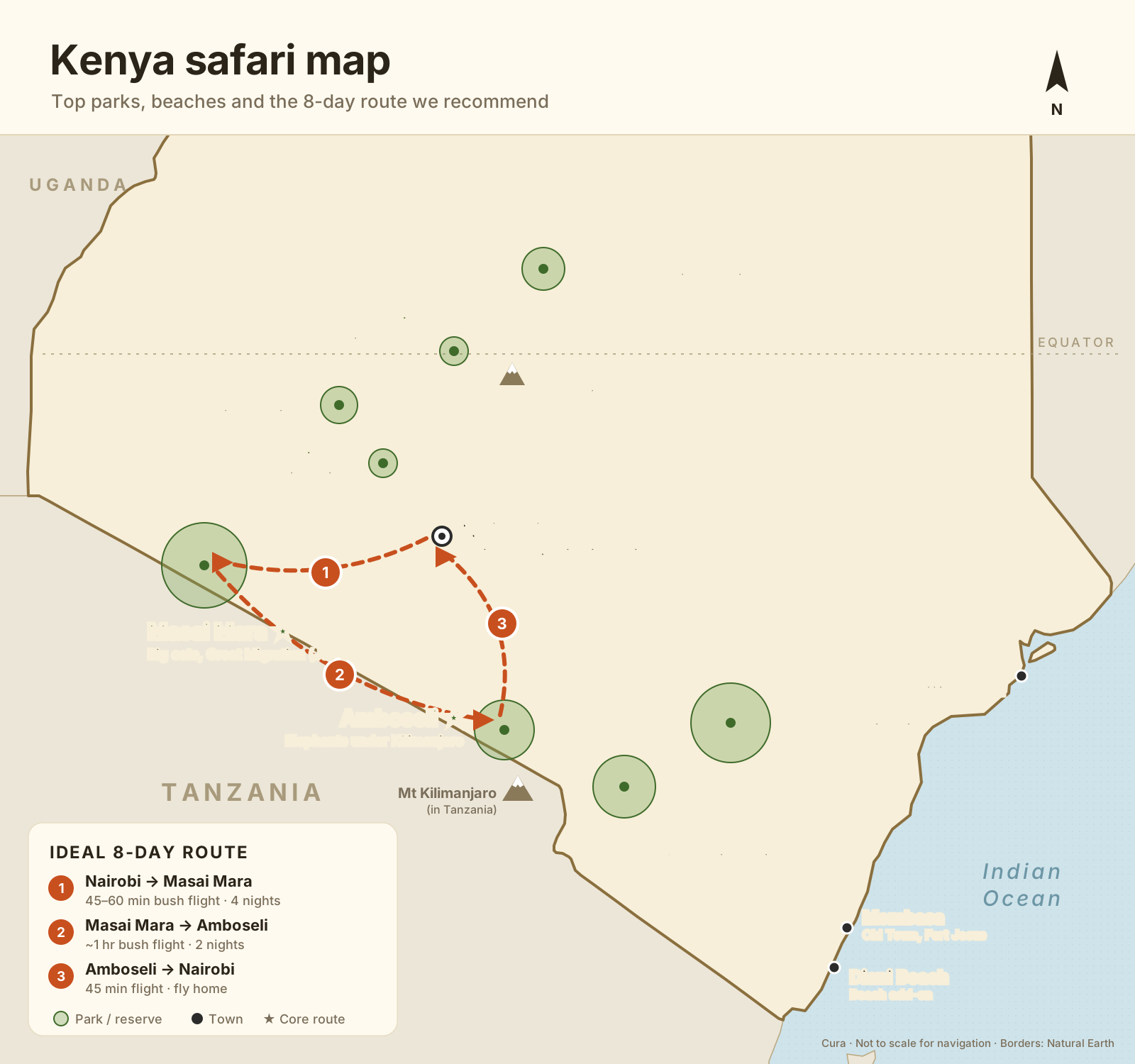
Most first safaris stay in the south-west: the Masai Mara on the Tanzania border, Amboseli under Kilimanjaro, and Nairobi as the hub between them. Lake Nakuru and Naivasha are on the road from Nairobi to the Mara. Samburu, Ol Pejeta and Mount Kenya sit to the north, around the equator. Tsavo and the beaches at Diani, Mombasa and Lamu are on the coast side, for a longer trip.
What is the ideal 8-day Kenya safari itinerary?
This is the route we would book for a first safari in January or February. It keeps hotel changes to three and uses bush flights so you never spend a full day on the road.
| Day | Base | What you do | Travel that day |
|---|---|---|---|
| 1 | Nairobi | Land at NBO, usually in the evening. Sleep near Wilson airport or in Karen | About 6 hrs nonstop from Mumbai |
| 2 | Masai Mara | Morning bush flight to the Mara, lunch at camp, afternoon game drive | 45 to 60 min flight |
| 3 | Masai Mara | Dawn drive, big-cat focus, optional Maasai village visit | In the park |
| 4 | Masai Mara | Dawn drive, optional balloon flight, night drive if you are in a conservancy | In the park |
| 5 | Masai Mara | Last full day: a long drive with a packed breakfast in the bush | In the park |
| 6 | Amboseli | Midday flight to Amboseli, afternoon drive with elephants and Kilimanjaro | About 1 hr flight |
| 7 | Amboseli | Dawn drive for the clearest mountain view, swamp elephant herds | In the park |
| 8 | Fly home | Morning flight to Nairobi, elephant orphanage and Giraffe Centre, evening flight | 45 min flight, then home |
Why four nights in the Mara and only two in Amboseli: the Mara has more species, more cats and more space to roam, so extra days there keep paying off. Amboseli is compact, and two dawns are enough to see it well. Nairobi is only a buffer night, so a late international arrival never costs you the morning bush flight.
With 5 days, drop Amboseli and keep 3 Mara nights. With 10 to 12 days, add Samburu in the north for different species (Grevy's zebra, reticulated giraffe, gerenuk), or end with beach days on the coast.
Plan your Kenya trip
Kenya spokes are not in the calendar yet. Related pages:
- Zanzibar: things to do, for a beach add-on after the safari
- South Africa trip guide, if you are weighing a different African safari
How Cura plans a Kenya safari
Cura is an AI + human travel agent. For Kenya, the decisions that matter are the week you fly, reserve versus conservancy, and whether a second park is worth the extra nights. For a couple planning a Masai Mara trip for December or January, we moved their dates to the first week of January to avoid festive surcharges and Christmas airfares, put them in a conservancy because they wanted dawn drives, and told them up front that the migration would be in Tanzania, not Kenya. The honest floor for the 7-night, two-park, mid-range trip they described was about ₹3.3 lakh per person.
FAQ
How much does a Kenya safari cost from India?
About ₹3.3 lakh per person mid-range for 8 days, including flights, camps, park fees and bush flights. A 5-day Mara-only trip is about ₹2.2 lakh.
Do Indians need a visa for Kenya?
No visa, but you need an eTA, applied for on etakenya.go.ke. It costs USD 30 and takes up to 3 working days.
Is there a direct flight from India to Kenya?
Yes. Kenya Airways and IndiGo fly nonstop from Mumbai to Nairobi in about 6 hours. From other cities you connect, usually via Mumbai or the Gulf.
Which month is best for a Masai Mara safari?
July to October for the migration and river crossings. January and February for dry weather, big cats and lower prices. Avoid April and May.
Do I need a yellow fever vaccine for Kenya?
Not to enter Kenya from India, but you need the certificate to come back into India. Get the shot at least 10 days before you fly and carry the card.
Is Kenya safe for Indian tourists?
Safari areas are safe on organised trips. In Nairobi, use normal city sense: use app cabs, avoid walking alone at night and keep phones out of sight.