Oman trip from India: cost, itinerary, visa and best time
Written by a Cura travel advisor · Checked
Short answer
Plan 5 to 7 days. An Oman trip from India costs about ₹95,000 per person for 6 days, flights included. Go November to February. Indians need a visa: an eVisa from OMR 5 (about ₹1,230), unless you hold a valid US, UK, Schengen or similar visa. Muscat is about 3 hours from Mumbai.
Want this trip planned and booked for you? Tell Cura where and when.
An Oman trip is the Gulf without the skyscrapers: canyon pools you can swim in, a desert camp in real dunes, mud-brick forts, turtles nesting on a beach at night, and Muscat's souq and Grand Mosque. It is a road trip country with good highways and little traffic. It is also close: shorter flights from India than Bali or Thailand. This guide is the version we would actually book. If you want city and shopping instead, see the Dubai trip guide.
How much does an Oman trip from India cost?
Per person, two people sharing a room and a hire car (4x4), 6 days and 5 nights: Muscat, Nizwa, Wahiba Sands and Sur. Checked Oct 2026; fares move, so treat these as ranges.
| Item | Cost per person |
|---|---|
| Return flight from Mumbai | ₹20,000 |
| Return flight from Delhi | ₹24,000 |
| Return flight from Bengaluru or Kochi | ₹24,000 |
| Return flight from Pune | ₹26,000 |
| eVisa (10-day) | ₹1,230 |
| Car hire and fuel, 6 days (your share, 4x4) | ₹22,000 |
| Stay, 5 nights (your share) | ₹30,000 |
| Food, 6 days | ₹12,000 |
| Grand Mosque, forts, turtles, boat trip | ₹10,000 |
| Total from Mumbai | ₹95,000 |
| Total from Delhi or Bengaluru | ₹99,000 |
Once you land, hotels and food in Oman cost more than in Southeast Asia; short flights from India and sharing a car keep the total down. A desert camp night with dinner and breakfast typically runs ₹8,000 to ₹25,000 for two depending on the camp. Rupee figures use OMR 1 ≈ ₹246 (mid-market rate, October 2026).
How many days do you need in Oman?
Six days covers the northern loop that most first trips should do.
- 3 to 4 days: Muscat plus a day trip to Wadi Shab and Bimmah Sinkhole, and a day to Nizwa.
- 6 days: Muscat (2 nights), Nizwa (1), Wahiba Sands (1), Sur or Ras al Jinz (1). This is the one we recommend.
- 8 days: add Jebel Shams and Jebel Akhdar mountains, or a Daymaniyat islands snorkel day.
- 10+ days: add Salalah in the south, a 1.5-hour flight from Muscat, ideally during the June to September khareef when it turns green.
The 6-day route at a glance
| Day | Base | What you do | Drive that day |
|---|---|---|---|
| 1 | Muscat | Land, Mutrah Corniche and souq at sunset | Airport to city, 20 to 30 minutes |
| 2 | Muscat | Sultan Qaboos Grand Mosque in the morning, Royal Opera House, Old Muscat, dhow cruise | Short hops |
| 3 | Nizwa | Drive inland, Nizwa Fort and souq, Bahla Fort | About 1.5 to 2 hours |
| 4 | Wahiba Sands | Friday goat market if it is Friday, drive to the desert camp, dune drive at sunset | About 2.5 hours plus sand driving |
| 5 | Sur or Ras al Jinz | Wadi Bani Khalid on the way, dhow yard in Sur, turtle watch at night | About 2 to 3 hours |
| 6 | Fly home | Wadi Shab swim and Bimmah Sinkhole on the coastal road back to Muscat | About 2.5 hours plus stops |
Oman tourist map
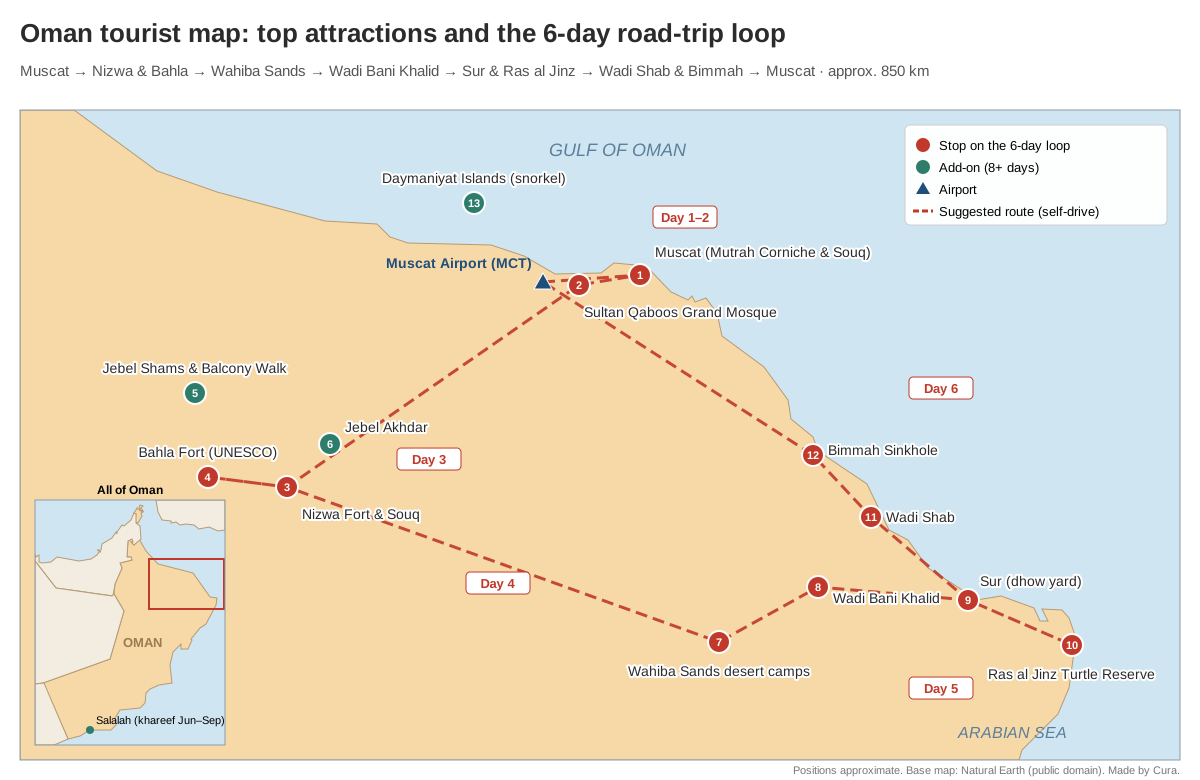
The loop is about 850 km. Red pins are on the 6-day route; green pins (Jebel Shams, Jebel Akhdar, the Daymaniyat Islands) are add-ons for 8 days or more. Salalah is far to the south and needs a flight.
Day-by-day Oman itinerary
Day 1: Land in Muscat, Mutrah at sunset
Pick up the hire car at Muscat airport and check in at Mutrah or Qurum (20 to 30 minutes). In the late afternoon walk the Mutrah Corniche, browse Mutrah Souq for frankincense, silver and Omani halwa, and watch the sun go down over the harbour. Dinner at one of the Indian restaurants in Ruwi or Mutrah.
Day 2: Grand Mosque, Old Muscat, dhow cruise
Be at the Sultan Qaboos Grand Mosque by 8:30am: non-Muslim visits run Saturday to Thursday, 8:30am to 11am, entry OMR 8. Then see the Royal Opera House, and drive to Old Muscat for the Al Alam Palace gates, the Mirani and Jalali forts and the National Museum. Rest through the afternoon heat, then take a sunset dhow cruise along the coast.
Day 3: Muscat to Nizwa and Bahla
Drive inland to Nizwa (about 160 km, 1 hour 45 minutes). Nizwa Fort opens in the morning (OMR 5); climb the round tower, then wander Nizwa Souq. After lunch, drive 35 minutes to Bahla Fort, a UNESCO World Heritage Site (OMR 4), and add Jabreen Castle 15 minutes away if you have energy. Sleep in Nizwa.
Day 4: Goat market and a night in Wahiba Sands
If it is Friday, be at the Nizwa goat market by 7am; the auction is over by about 9am. Drive east to Al Wasil or Bidiyah at the edge of Wahiba Sands (about 2 to 2.5 hours). If you are in a sedan, park at the camp's meeting point and let the camp collect you in a 4x4. Dune drive at sunset, camel ride, dinner in camp, and a sky full of stars.
Day 5: Wadi Bani Khalid, Sur and the turtles
Watch sunrise from a dune, then drive about an hour to Wadi Bani Khalid for a swim in its green pools. Continue to Sur (about 1 hour 20 minutes) for the dhow yard and the Ayjah lighthouse viewpoint. Drive 50 minutes to Ras al Jinz, check in, and join the guided night turtle watch (from OMR 10, book ahead).
Day 6: Wadi Shab, Bimmah Sinkhole, fly home
Optional dawn turtle tour, then drive to Wadi Shab and start the hike by 9am: boat across, 45 minutes up the canyon, swim to the cave. Stop at Bimmah Sinkhole (25 minutes on, free) for a last swim, then drive to Muscat airport (about 1.5 hours). Book an evening flight home.
When is the best time for an Oman trip?
November to February is the best time: days of 25 to 30°C, cool desert nights and calm seas. October and March are fine but warm. From May to September northern Oman passes 40°C, which makes wadis and desert hard work. The exception is Salalah, which is green and cool in the June to September monsoon.
| Region | Best | Okay | Avoid |
|---|---|---|---|
| Muscat and the coast | Nov to Feb | Oct, Mar, Apr | May to Sep |
| Wahiba Sands and Nizwa | Nov to Feb | Oct, Mar | Apr to Sep |
| Jebel Akhdar and Jebel Shams | Mar to May, Oct to Nov | Dec to Feb (cold nights) | None; cooler than the plains all year |
| Salalah | Jul to Sep (khareef) | Oct to Mar | Apr to Jun |
December is the busiest month, with Indian school holidays and Christmas. Book desert camps and Muscat hotels by October.
Do Indians need a visa for Oman?
Yes. Most Indian passport holders need an Oman eVisa, applied online on the Royal Oman Police site before you fly. A 10-day tourist eVisa costs OMR 5 (about ₹1,230) and a 30-day one OMR 20 (about ₹4,920). Approval often comes within a few working days, but no official processing time is published, so apply at least a week before you fly. Keep a passport valid for six months, a return ticket and a hotel booking ready. If you hold a valid US, UK, Canada, Australia, Japan or Schengen visa or residence permit, you can enter visa-free for up to 14 days, as long as you also carry a return ticket, a hotel booking, health insurance and proof of funds; this stay cannot be extended. Oman also introduced a free 14-day tourist visa in early August 2026 (Decision 109/2026), but the list of eligible nationalities has not been published, so it is not yet confirmed for Indian passports. Do not rely on it.
Where should you stay in Oman?
Pick four bases on the loop, and splurge on the desert night.
| Base | Nights | Who it suits | Mid-range per room |
|---|---|---|---|
| Muttrah, Muscat | 2 | Souq, Corniche walks, older Muscat character | ₹7,000 to ₹12,000 |
| Qurum or Al Khuwair, Muscat | 2 | Beach hotels, malls, families | ₹8,000 to ₹15,000 |
| Nizwa | 1 | Forts and souq; base for the mountains | ₹5,000 to ₹9,000 |
| Wahiba Sands desert camp | 1 | Everyone. Dunes, stars, sandboarding | ₹8,000 to ₹18,000 with dinner and breakfast |
| Sur or Ras al Jinz | 1 | Turtle watching, the dhow yard, the coast road | ₹5,000 to ₹10,000 |
| Jebel Akhdar | 1 to 2 | Couples, cliff-edge luxury resorts, cool air | ₹18,000 to ₹60,000 |
[HOTEL] names to be added after the advisor confirms current partners.
What are the best things to do in Oman?
These are the attractions worth building a first trip around, in rough loop order. Prices and hours checked October 2026; confirm before you go, as they change around Ramadan and Eid.
1. Wadi Shab
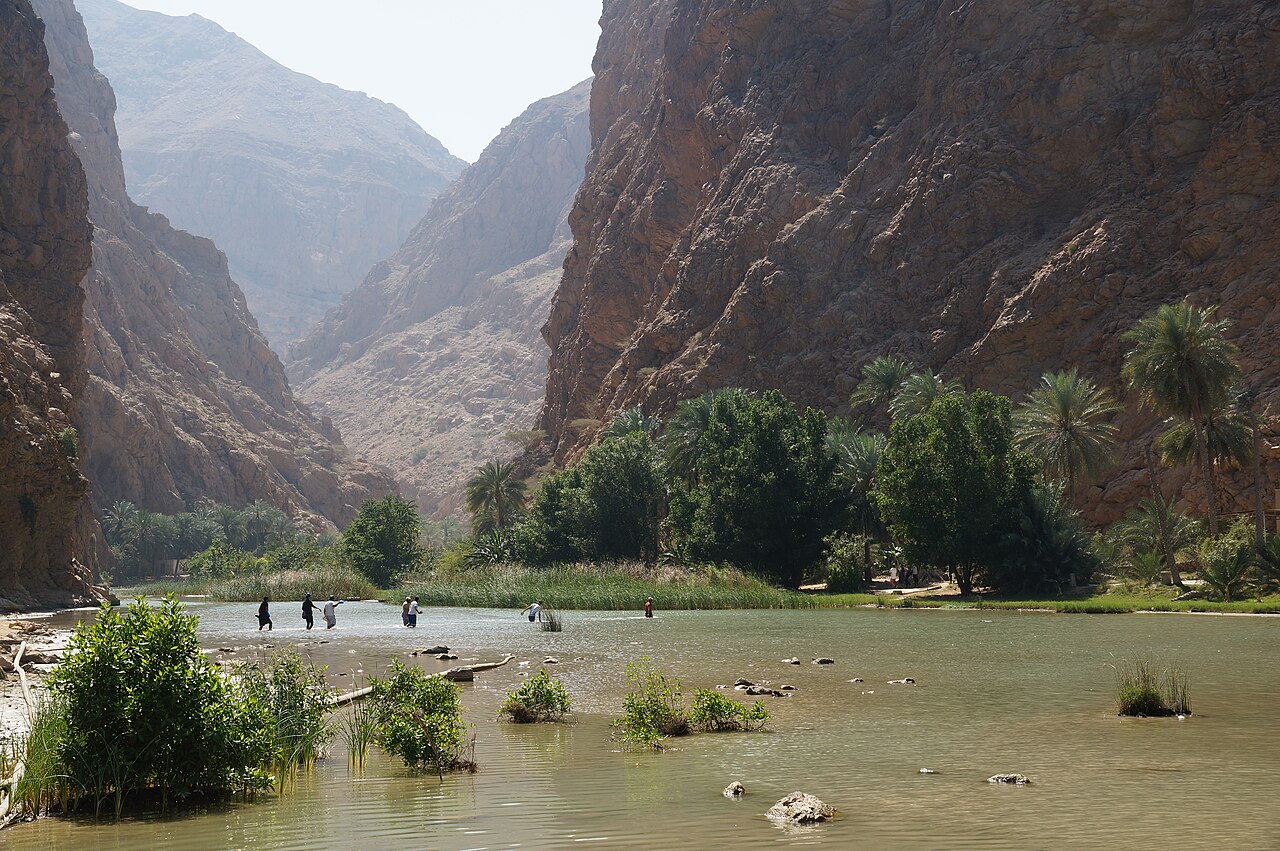
A short boat ride across the river mouth, then a 45-minute hike up a palm-lined canyon to turquoise pools. Strong swimmers carry on through a narrow gap to a cave with a waterfall inside. Go before 10am to beat the heat and the crowds, wear water shoes, and keep your phone in a dry bag. Time: 3 to 4 hours. Where: Tiwi, about 1.5 hours south of Muscat on the coast road.
2. Wahiba Sands (Sharqiya Sands)
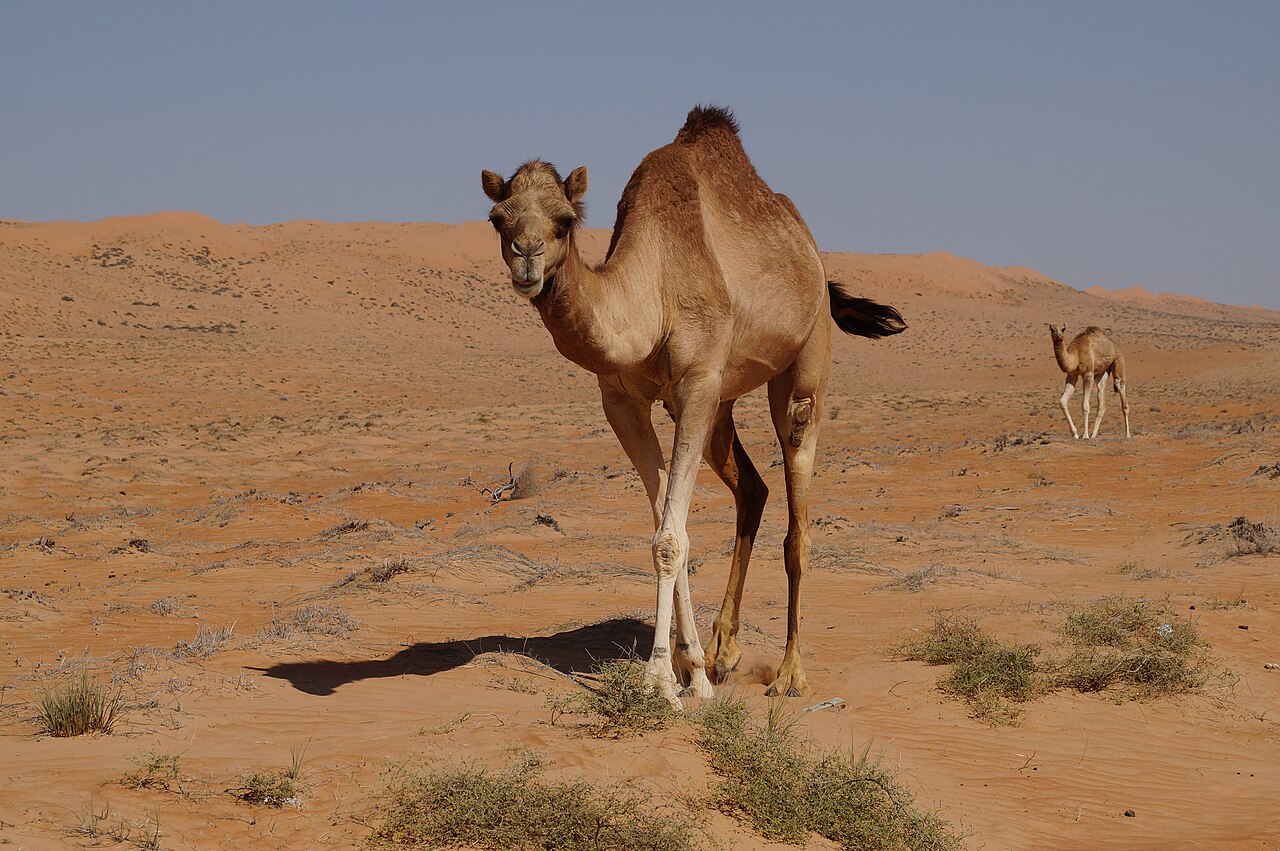
Waves of orange dunes running south into the interior. Spend a night in a desert camp: dune drive at sunset, camel ride, dinner around the fire, and the clearest sky of the trip. Do not drive onto the sand yourself without off-road experience; camps will meet you at the edge in a 4x4. Time: 1 night. Where: Al Wasil and Bidiyah, about 2.5 hours from Muscat.
3. Sultan Qaboos Grand Mosque
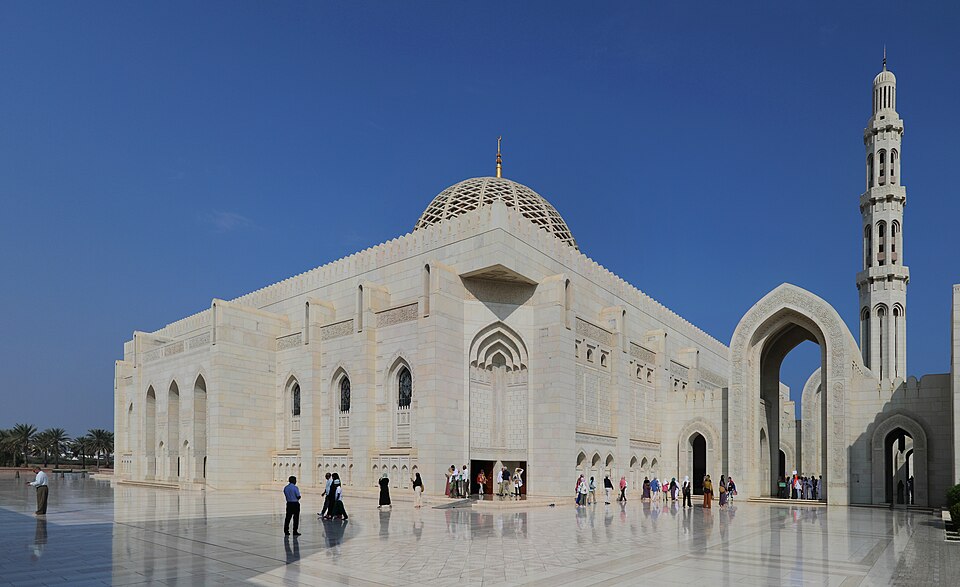
Muscat's showpiece mosque, with a vast hand-woven carpet and a crystal chandelier in the main prayer hall. Non-Muslim visitors can enter Saturday to Thursday, 8:30am to 11am (closed to tourists on Friday). Entry has cost OMR 8 (about ₹1,970) since January 2025. Cover arms and legs; women cover their hair. Abayas are available at the entrance. Time: 1 to 1.5 hours.
4. Mutrah Corniche and Mutrah Souq
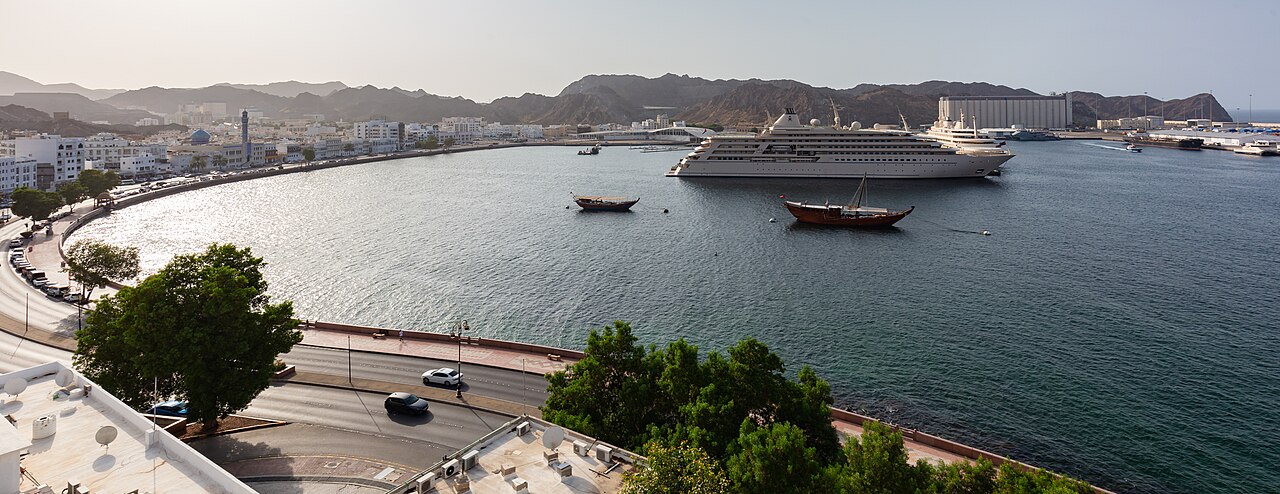
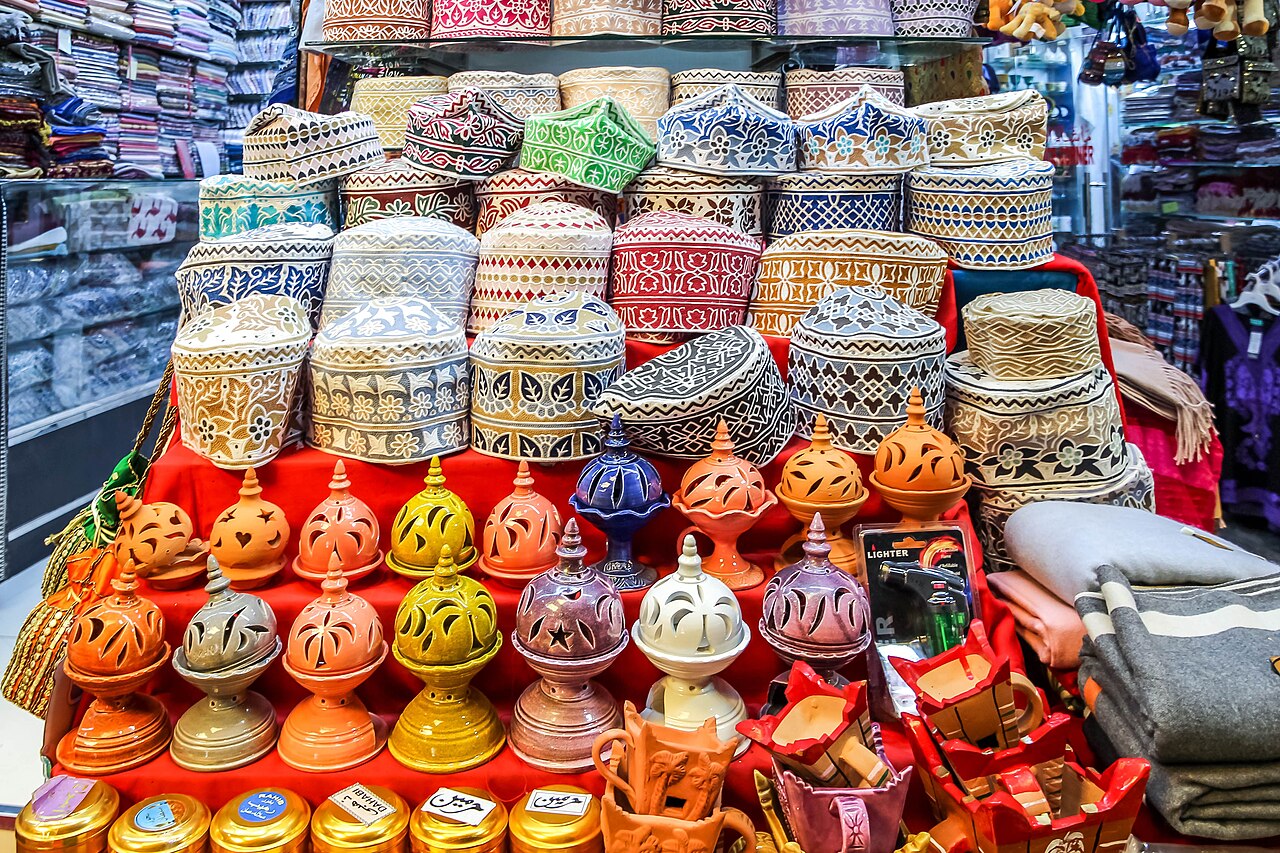
A seafront promenade curving around Muscat's old harbour, and behind it one of the oldest souqs in the Gulf. Buy frankincense, silver, kuma caps and Omani halwa. Come at sunset, when the heat drops and the lights come on. Time: 2 hours. Cost: free.
5. Royal Opera House Muscat
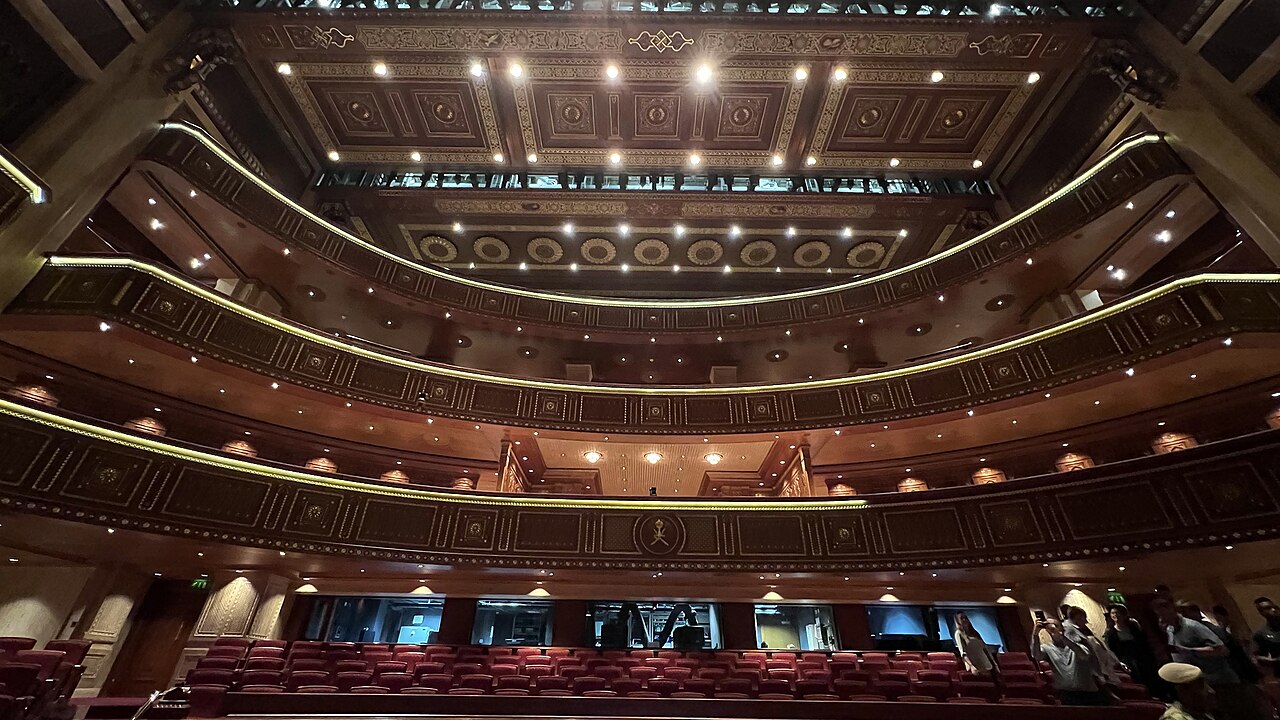
Oman's opera house, in white stone outside and carved teak inside. Check the opera house website for guided tour times, or book a show during the winter season. Time: 1 hour.
6. Nizwa Fort and Souq
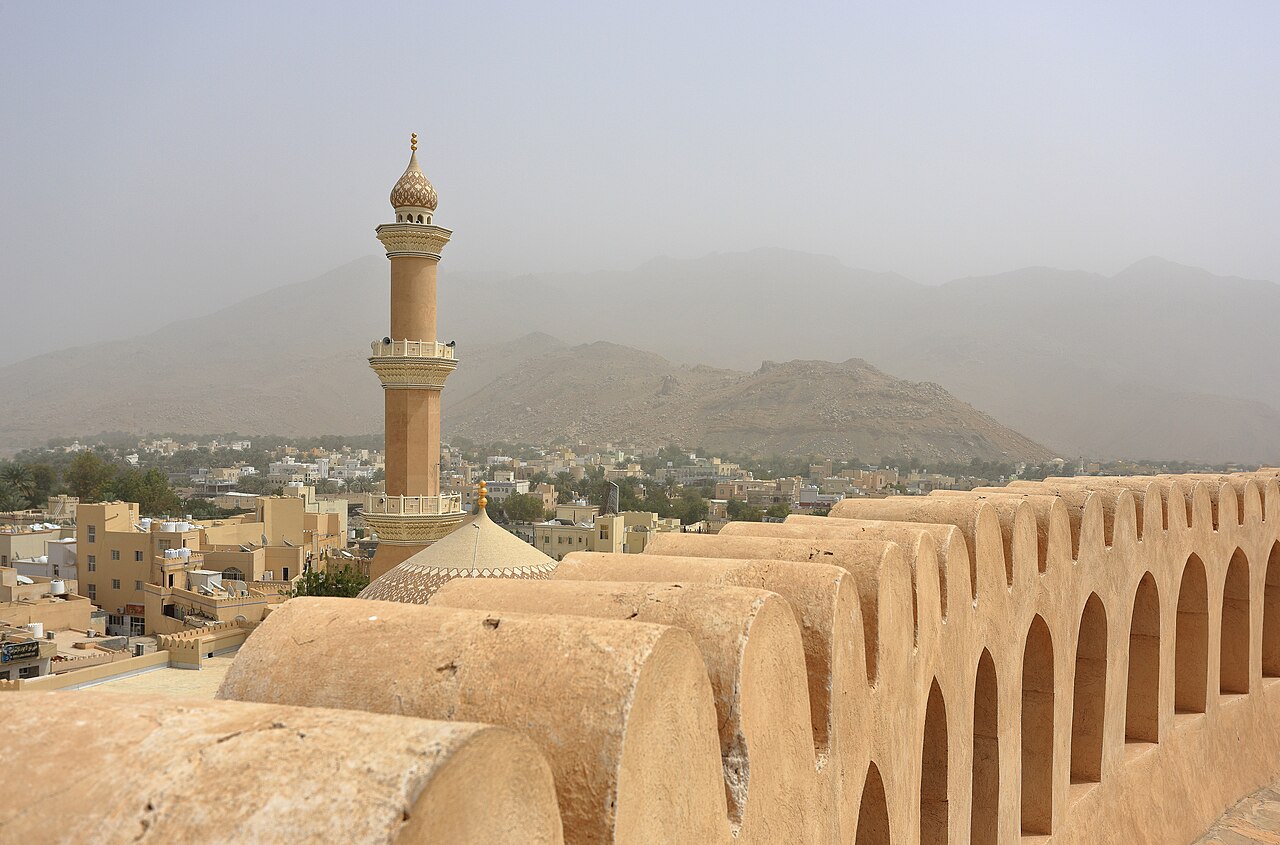
A 17th-century fort with a huge round tower, and the busiest souq in the interior next door. Entry OMR 5 for adults. Open daily from the morning to late afternoon; hours are shorter on Fridays and during Ramadan, so check before you go. On Friday mornings, the goat market runs from about 7am to 9am. Time: half a day.
7. Bahla Fort
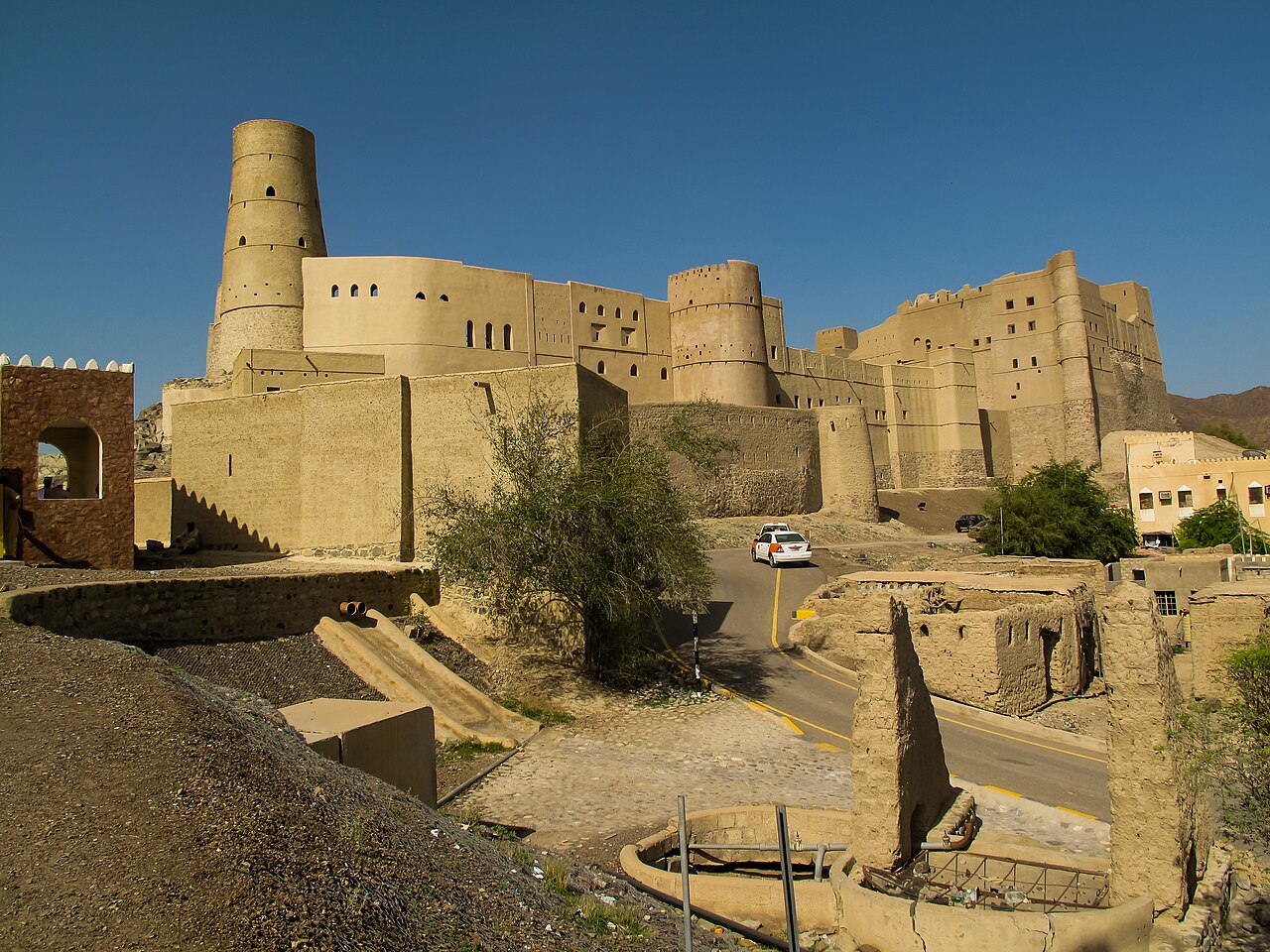
Oman's UNESCO-listed mud-brick fort, rising over an oasis town ringed by old walls. Entry OMR 4 for adult tourists (OMR 2 for children 6 to 12, free under 6); open daily 8am to 7pm. Pair it with Jabreen Castle, 15 minutes away. Time: 1.5 hours. Where: 35 minutes from Nizwa.
8. Wadi Bani Khalid
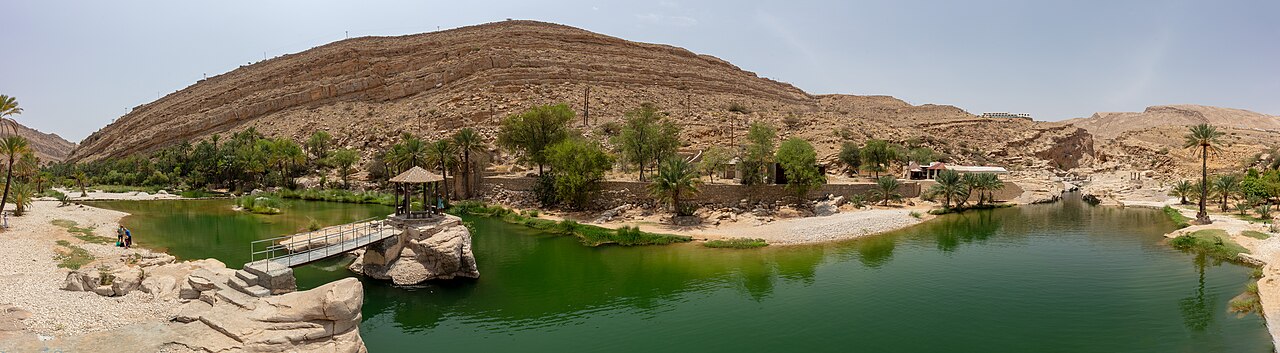
The easiest wadi to visit: deep green pools a short walk from the car park, with a cave at the far end. Good for families and non-hikers. It is next to a village, so swim in shorts and a T-shirt. Time: 2 hours. Cost: free.
9. Ras al Jinz Turtle Reserve
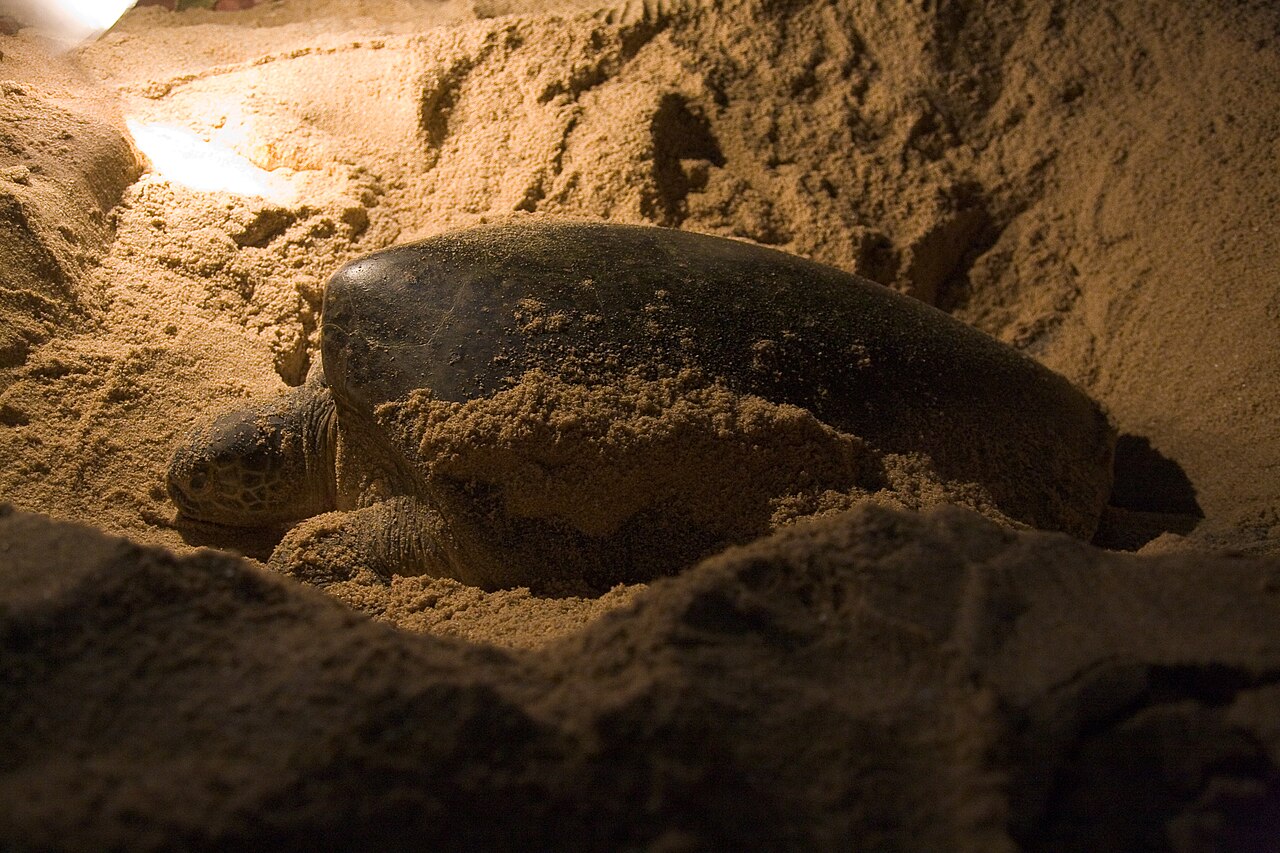
Green turtles come ashore to nest on this beach. Visits are only with a reserve guide, in small groups at night and at dawn, from about OMR 10 per adult. Book ahead, and no flash photography. Time: 1 to 2 hours. Where: 50 minutes from Sur.
10. Bimmah Sinkhole
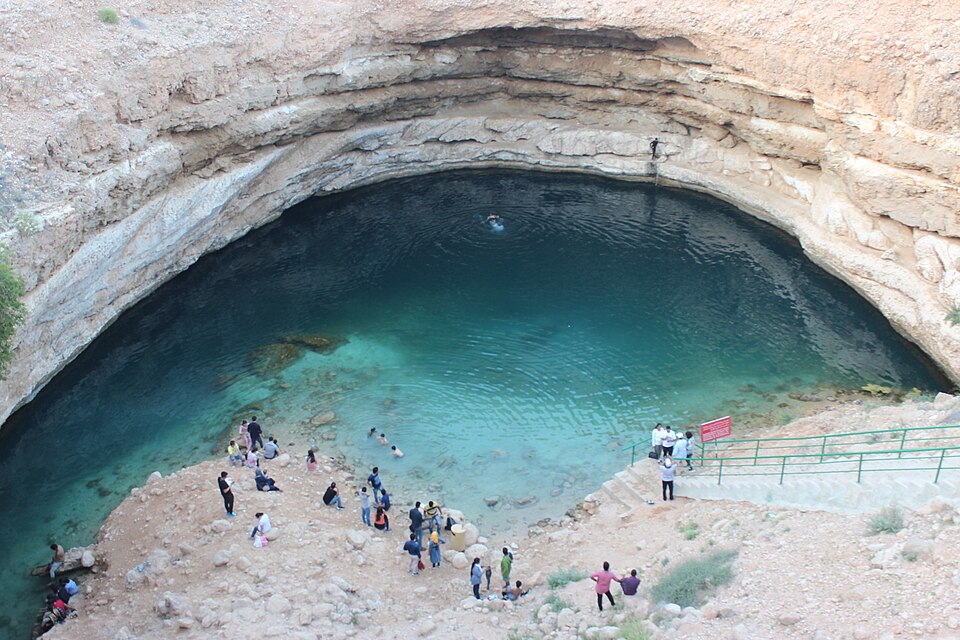
A limestone sinkhole with a turquoise pool, inside Hawiyat Najm Park just off the coastal highway. Steps lead down to the water. Time: 1 hour. Cost: free.
11. Jebel Shams and the Balcony Walk
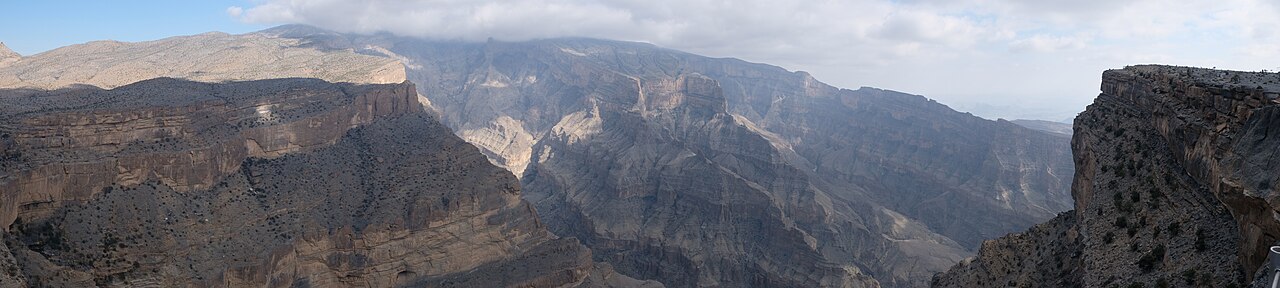
Oman's highest mountain, about 3,000 m, and the canyon called the Grand Canyon of Arabia. The Balcony Walk follows a ledge along the canyon wall to an abandoned village; allow 3 to 4 hours return. A 4x4 is recommended for the drive up. Where: about 1.5 hours from Nizwa.
12. Jebel Akhdar
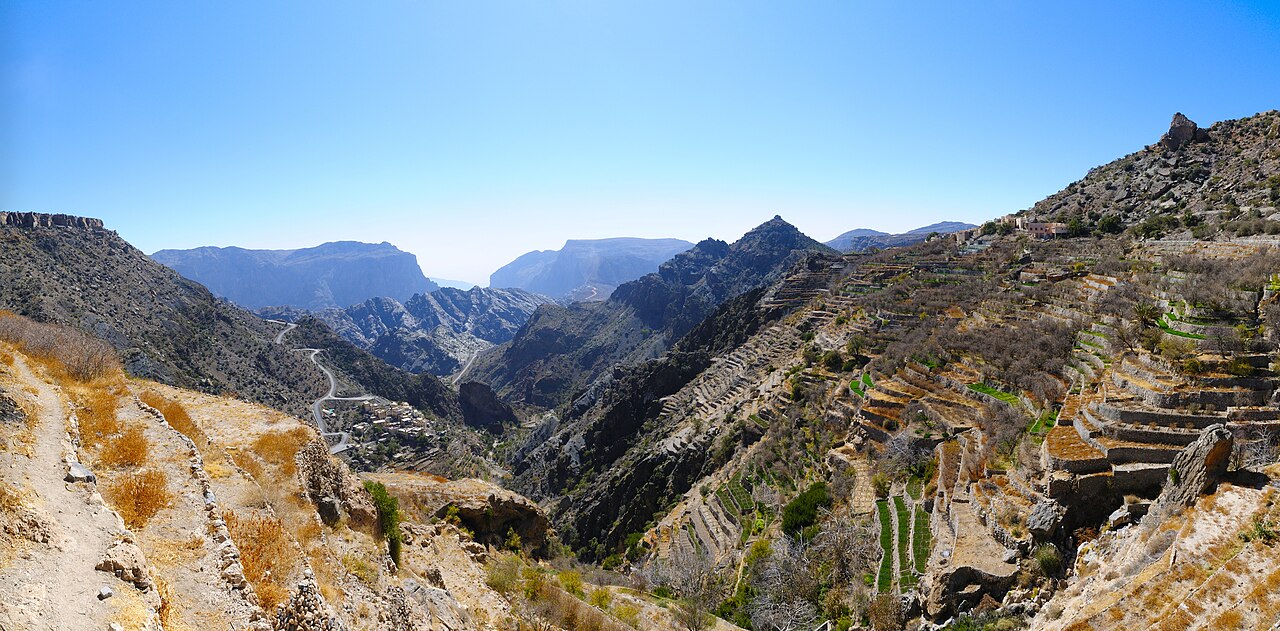
The "Green Mountain": terraced villages, rose gardens in spring and cool air all year, plus cliff-edge luxury resorts. A police checkpoint at the foot of the road only lets 4x4 vehicles up. Where: about 45 minutes from Nizwa to the checkpoint.
13. Salalah (add-on)
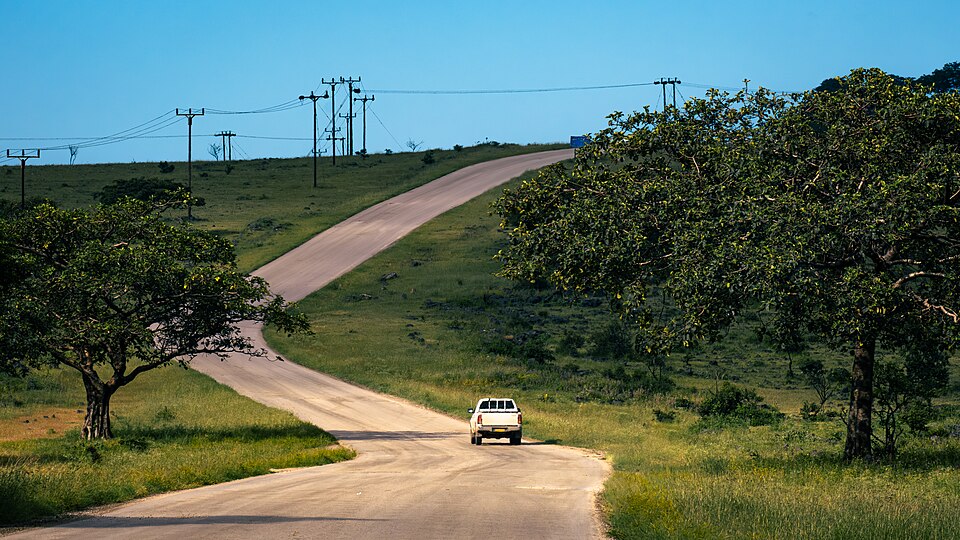
Oman's southern city, a 1.5-hour flight from Muscat. From June to September the khareef monsoon turns the hills green and misty while the north bakes. Add 3 to 4 days for beaches, waterfalls and frankincense sites.
How do you get to Oman from India?
Fly into Muscat (MCT). Direct flights run from most big Indian cities on Oman Air, SalamAir, Air India Express and IndiGo.
| From | Direct flight time |
|---|---|
| Mumbai | About 2 hours 45 minutes |
| Kochi, Kozhikode, Bengaluru | About 3 hours 15 minutes to 3.5 hours |
| Delhi, Hyderabad | About 3.5 to 4 hours |
| Chennai | About 4 hours |
| Pune | Check for a direct service; otherwise one stop |
Oman is 1.5 hours behind India, so morning flights from India land mid-morning. Hire the car at Muscat airport. Roads are excellent, signs are in English and Arabic, and traffic drives on the right. Speed cameras are everywhere.
Is Oman good for vegetarians?
Easy, because of the large Indian community. Muscat has South Indian, Gujarati and North Indian vegetarian restaurants, especially in Ruwi and Muttrah, and many hotels run Indian buffets. Omani food is meat and rice heavy, but you will find hummus, mutabbal, falafel, lentil soup, and dates and Omani halwa everywhere. Desert camps cook veg on request if you tell them when you book.
Package or custom trip: which is better for Oman?
Oman packages from India often keep you in Muscat with day tours, which skips the desert night and the turtles. A custom trip, self-drive or with a driver-guide, lets you do the full loop and sleep where the sights are. If no one in your group wants to drive, a driver-guide is worth the extra cost.
Money and safety tips
- Currency: Omani rial (OMR). OMR 1 is about ₹246 (October 2026), so prices look small but add up. Cards work almost everywhere; carry some cash for souqs and wadi boats.
- Safety: Oman is one of the safest countries in the region. The real risks are heat and flash floods in wadis after rain.
- Dress: modest in towns and at sites; swimwear only at beaches, pools and wadis away from villages.
- Fridays: many sights and shops open late or close at midday prayers.
- Entry fees (checked Oct 2026): Grand Mosque OMR 8, Nizwa Fort OMR 5, Bahla Fort OMR 4, Ras al Jinz turtle watch from OMR 10. Wadis and Bimmah Sinkhole are free.
- Driving permit: Royal Oman Police lets tourists drive on a valid home or international licence for up to 3 months, but rental desks usually ask for an International Driving Permit with your Indian licence, plus a credit card for the deposit. Carry both.
Plan your Oman trip
Oman spoke pages are coming. Until then, these pages help you plan:
How Cura plans an Oman trip
Cura is an AI + human travel agent. For Oman, the planning that matters is the visa, the order of the loop so no drive is over 3 hours, and the right desert camp for your group.
FAQ
How much does an Oman trip cost from India?
About ₹95,000 per person for 6 days from Mumbai (about ₹99,000 from Delhi or Bengaluru), with flights, visa, a shared 4x4 hire car, mid-range hotels and a desert camp.
Is Oman visa free for Indians?
Not for most. You need an eVisa, from OMR 5 for 10 days. Indians with a valid US, UK, Canada, Australia, Japan or Schengen visa or residence permit can enter visa-free for up to 14 days if they also have a return ticket, hotel booking and health insurance.
Which month is best for an Oman trip?
November to February. Avoid May to September in Muscat and the desert. For Salalah, go July to September.
Can I drive in Oman with an Indian licence?
Carry your Indian licence with an International Driving Permit. Rental companies will ask for both, plus a credit card for the deposit.
Oman or Dubai: which is better?
Dubai is for shopping, theme parks and nightlife. Oman is for nature: wadis, desert, mountains and turtles. Many people do both; they are 5 to 6 hours apart by road or a short flight.
Is 5 days enough for Oman?
Yes for Muscat, Wadi Shab, the desert and Nizwa at a brisk pace. Six days is more comfortable.